Celebrating over 1 Million Downloads and 50,000 Free CEUs on the Sound Bites® Podcast | NEW: Get 1 years’ worth of CEUs with the new 15-CEU Podcast Course
Food is health. The recipe is the prescription.” – Raeanne Sarazen
A written recipe must be accurate, readable, and reproducible – a set of instructions that translates the act of cooking into words. At last, there is a comprehensive professional resource book dedicated entirely to the subject of recipes. This book sets nutrition and editorial standards on developing, writing, and publishing recipes. And you don’t have to be a dietitian or a chef to benefit from this book! Whether you are a home cook or a culinary professional these recipe insights will help improve your kitchen confidence.
Tune into this episode to learn about:
the purpose of a recipe
steps involved in the recipe development process
importance of celebrating and respecting global cuisines in recipe development
considerations for modifying recipes
how and why food safety is an important part of a recipe
what to know about nutrient analysis
how dietitians, food bloggers and others can boost skills and services for clients
A written recipe must be accurate, readable, and reproducible – a set of instructions that translates the act of cooking into words.”
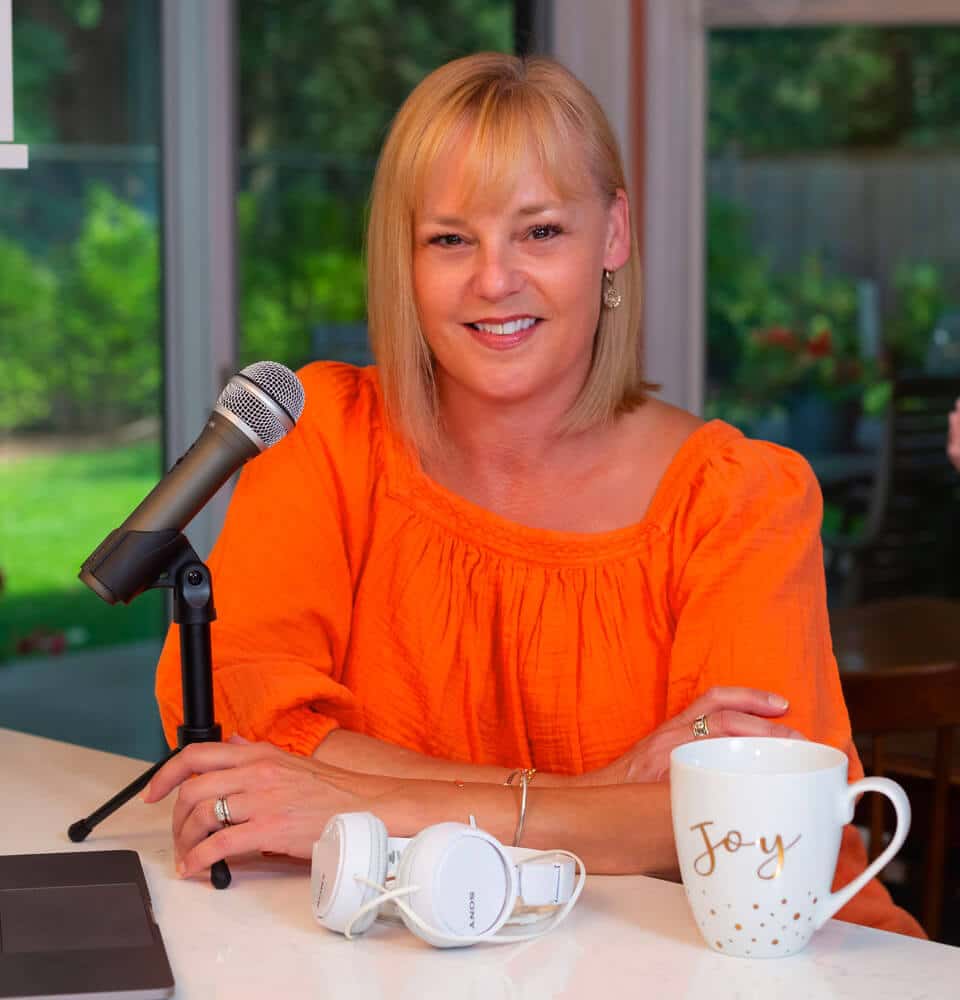
Raeanne Sarazen, MA, RDN, FAND
Raeanne Sarazen, a registered dietitian and chef, combines over 20 years of experience producing recipe content as a test kitchen professional, food writer, and editor. She is a sought-after expert for her ability to translate evidence-based nutrition recommendations into delicious, easy-to-follow recipes for the home cook. Her writing and recipes have appeared in the Chicago Tribune, The Wall Street Journal, Cooking Light, Better Homes and Gardens, among many other places. Raeanne is the author of the professional resource book, The Complete Recipe Writing Guide. A mother of three, Raeanne lives in Chicago with her husband.
Resources
Some links may be affiliate links. As an Amazon Associate, I earn from qualifying purchases.
[00:00:01] Voiceover: Welcome to Sound Bites, hosted by registered dietitian nutritionist, Melissa Joy Dobbins. Let’s delve into the science, the psychology, and the strategies behind good food and nutrition.
[music]
[00:00:22] Melissa Joy Dobbins: Hello and welcome to the Sound Bites podcast. Today’s episode is about recipes, recipe writing and what goes into that, or what should go into that, as well as how people can make the most out of their recipe experiments, whether you are a new cook or a seasoned cook, a health professional or a non-health professional.
My guest today is Raeanne Sarazen. She’s a registered dietitian and chef who combines over 20 years of experience producing recipe content as a test kitchen professional, food writer, and editor. She is the author of the new book, The Complete Recipe Writing Guide, published by the Academy of Nutrition and Dietetics in September of 2023. I just want everybody to know this episode is not sponsored. Now, Raeanne, welcome to the show.
[00:01:13] Raeanne Sarazen: Thank you so much for having me, Melissa. Glad to be here.
[00:01:16] Melissa: We go way back, years if not decades. We were on the board together for a nutrition association in Chicago and it was struggling. It wasn’t just dietitians. It was chefs and PR professionals. Back then it had been around for 30 some years and it was really struggling to get people to come to the meetings and just volunteer in the leadership positions. At a certain point we decided to take a break and rebrand and you and I and a handful of other people were on this rebranding team. We got to know each other really well and we’ve stayed in touch ever since. In fact, I remember sitting in a cab at a FNCE conference with you about five years ago, I think.
[00:02:03] Raeanne: Oh my gosh.
[00:02:04] Melissa: You were telling me about this project, this recipe writing book you were working on with the Academy. Back then I said, “Got to get you on the podcast when this book is finally done.” Here we are five years later. I would love for you to share more with our listeners about your background, maybe your education, the work you do, why you got interested in food, culinary, recipe writing, anything that you would like to share with us.
[00:02:30] Raeanne: That’s a lot. First, I just wanted to say what’s interesting about the rebranding, I think a lot of professional organizations are struggling today and perhaps they need to call us back to help brainstorm on how to help the organizations and get more members to stay members. In terms of your question, as you mentioned, I’m a registered dietitian nutritionist. I’m also a classically trained chef from Le Cordon Bleu. I have a master’s in new media and digital studies. I, like you said, have worked in the industry, in the food industry in a variety of capacities for over 25 years.
I have worked in the clinical setting as a dietitian on a head and neck cancer unit, on an AIDS unit in the 80s. I’ve worked in diabetes treatment centers, dialysis centers. In terms of restaurant experience, I have done many different things over the years, including working at Charlie Trotter’s restaurant, a very well-known restaurant in Chicago, and also have staged at many restaurants in Chicago. I feel pretty comfortable in the kitchen, though not something I want to do at this age anymore.
I’ve also worked in food media or food publishing. I was the former test kitchen director at the Chicago Tribune and assistant food editor and have written for a lot of different publications where also my recipes appear, for example, The Wall Street Journal, Cooking Light when it was around, Better Homes and Garden, among other places. I think you could say that my career, which has spanned a long time, has been and currently still is sort of at the intersection of culinary nutrition and food communications or food publishing.
I work with different food companies, nonprofits, and publishers on their recipe content. It could be from developing recipe workflow processes to working on the strategy of their nutrition and recipe content, and it could also be just working on specific tasks where people have had me do the recipe editing, their recipe testing, food writing, even their nutrition analysis.
I just come at it, as media has changed, from many different perspectives. During COVID, I’ve done a lot of different sort of food cooking videos. I developed a series where I produced for the Boys and Girls Club of Chicago, and I was also the host on these online cooking shows for them. I shouldn’t really say it was a show, it was the Boys and Girls Club, it was an online cooking class for everybody logged in, and I taught them after school. It’s just sort of interesting because even doing work for nonprofits where I take chef recipes and translate them for the home cook or for their website.
The work that I do now really ranges, but as you mentioned, that big, huge project that we met each other talking about in the back of a taxi, it finally came to fruition after almost four and a half years, five years of writing. The book titled The Complete Recipe Writing Guide: Mastering Recipe Development, Writing, Testing, Nutrition Analysis, Food Styling and Video. That is pretty much where I have been working for the past four and a half years.
[00:05:48] Melissa: I’m sure a lot of your time has been focused on that.
[00:05:52] Raeanne: That is a lot. Yes. I know I didn’t answer your other question, I guess, which is how did I get interested in this topic?
[00:05:58] Melissa: Yes.
[00:05:58] Raeanne: Yes. Gosh. I would say I’ve always been really curious about everything. That’s sort of the rabbit hole personality in me. Always with respect to food and recipes specifically, where I remember just even as a little girl going over to my friend’s house and my mom and dad never bought Twinkies, but I remember finding Twinkies in somebody’s cabinet and no one seemed to eat them but me and whether I came over one month or two months later, the Twinkies were still fresh. I thought that was really interesting. I wanted to know how that happened or how it was done. Also, that would go from like popcorn balls, do you remember that, Melissa, when those were popular?
[00:06:40] Melissa: Yes.
[00:06:40] Raeanne: How do the popcorn stick together?
[00:06:43] Melissa: Maybe you missed your calling into like food technology.
[00:06:46] Raeanne: That could be. I don’t know. It’s interesting. Sometimes I think engineering may have been a good major for me. I think my grandmother was a really big influence on me as well. She had a restaurant and I used to go back to the back of the kitchen and watch and it was sort of like this unveiling of what actually happened behind the scenes on things.
I think in some ways, for me, that’s really where this book started was really trying to understand the how and whys of things. Even if you and I would have dinner together, it’s more like, “Oh, I just really want to know, how did they make that?” If you made dinner for me, I’d be asking myself, “What did she do?” It’s that sort of sharing of information and that curiosity that really drove me to the sort of this topic.
[00:07:34] Melissa: Interesting. Now, I have to go back. You mentioned your master’s in new media and–
[00:07:39] Raeanne: Digital studies.
[00:07:41] Melissa: Digital studies. Tell me a little bit about that. I don’t know that I knew about this.
[00:07:44] Raeanne: Yes. Well, it was sort of at a time where I was wondering sort of what was next. Frankly, I live on the DePaul campus in Chicago and I had met with somebody who shared about this master’s degree. I thought this is very interesting with my background in food journalism and in this era that is changing faster than any of us can keep up with.
I really wanted to understand both media from a historical perspective and really do things that would make me, perhaps I thought at the time, more marketable or better understanding of how to code and what happens on the back end of things. I think it was really a very interesting, different way to look at media from a more of an academic and then even the practical with the coding classes I took.
[00:08:33] Melissa: Very interesting. Okay. Didn’t even know that degree existed. That’s very cool. Let’s dive into the book. I want to read something from the press release. “The Complete Recipe Writing Guide is for anyone with a desire to develop, write and share well-crafted recipes. From food enthusiasts to food writers and editors, to food and culinary professionals, whether creating a family cookbook or developing recipes to publish, post online or share on social media platforms, readers will learn steps for developing flavor-focused recipes and advice for accurately writing recipes that any cook can easily follow.”
This next part talks about, “With special attention to health and wellness, the guide helps recipe writers modify calories, fat, sodium and sugar and learn how to create recipes for all types of diets.” That’s just an overview, but I want to dig into what people can learn in general from the book. I’d love to speak to the dieticians listening as well as other health professionals, but also non-nutrition professionals listening.
[00:09:43] Raeanne: Sure. As you said, The Complete Recipe Writing Guide, what makes it really unique is it’s a comprehensive resource for professionals. When I say comprehensive, it’s over 400 pages on everything you’d want to know about the recipe workflow from the ideation stage, to the recipe development stage, to the testing stage, to the tasting, to writing, nutrition analysis, food styling, photography, and video. It really covers every stage of that workflow process.
I think it is not meant to be read as a novel, but it’s truly a resource that somebody can access. If you are a registered dietitian or any healthcare professional, doctor, nurse, or pharmacist, the book really teaches how to translate evidence-based nutrition recommendations from the kitchen, to the plate, to the page. The page being the educational tool, the written recipe, really is that vehicle to help your patient or client follow a recommendation that people just talk about.
I think it’s really important because– there’s just so many things I can share, but I think it’s just hard because so much of nutrition is sort of vague. “Just eat, Melissa, your blood pressure is high, 2,300 milligrams of sodium, or watch how much sodium you’re eating,” but what does that look like and what does that mean? When you’re developing recipes, what are the numbers that you should try to target for an appetizer, an entree, a dessert?
This book really uncovers a lot of those questions that I know I had when I started out. I was doing work in this field before it even had the name recipe testing or development. Going back to where I started, I remember working on the AIDS unit and these tall emaciated men needed nutrients. This was before tube feeding or TPN where they were also maybe at certain stages coming in for that. I remember being the type of dietician that would want to work with the food service staff and I was developing these high calorie, high protein shakes for these men.
At that point, going back to it, I didn’t know what I didn’t know. I was doing something and there was no book to give me the resource because it was not just getting the calorie or the protein to meet the target, it was like, “Well, does it taste good? Does it look good?” Just the whole food part about that comfort. It wasn’t just about being 800 calories and 30 grams of protein. I know I went off tangent, but I think that what this book does is it really does focus on the flavor and takes in chapters– let’s see, there’s six chapters on recipe development.
The very first chapter covers the foundation of recipe development about taste and flavor and flavor combinations and umami, but even touching on very important topics of cultural appropriation and recipes, the legal aspect of recipes, it sort of sets the tone for the other chapters on recipe development, which is on health and wellness, plant-based recipe development, recipe development for food allergies and intolerances, as you had mentioned modifying and developing recipes for sugar, fat, sodium. A really solid chapter on gluten-free for people who are celiac and FODMAP, so the whole GI sort of category. Then it goes on to a solid chapter on recipe writing, another chapter on recipe testing, another chapter on nutrition analysis and a solid chapter on food styling, video and photography.
[00:13:30] Melissa: Excellent. Yes, this is a very comprehensive resource, like you said. This is not my area of expertise, but to my knowledge, there hasn’t been anything comparable to this to date.
[00:13:43] Raeanne: Yes. I’m sitting in my office and I could say there are a few books to pull out, but the ones that have been written there by former food editors and newspapers, they’re great resources, but it’s 1993 and I think 2001. As yourself so well, so much has changed in every factor within sharing content. What makes this one really unique, this book in comparison, is really the focus on health and wellness and all that nutrition information. The last chapter, I interviewed so many just wonderful food stylists, food photographers, and that chapter is just a great resource with a lot of their fabulous tips.
[00:14:27] Melissa: Yes. I think that the modifying aspect is key for, like you said, health and wellness. As I said, recipes and cooking, it’s not my strong suit. I have improved my skills in the kitchen a lot through my Do More with Dinner journey that I’ve shared on the podcast before. I don’t talk about it a lot. I started it years ago, but I still work it like every day in my kitchen as far as simple menu planning for the week and finding those recipes that work. I always talk to my patients about, “Hey, if you’ve got this family favorite recipe, you don’t have to find a new one. You can modify that one.” I think that that’s really key.
I’d love to talk more about the modifying chapter and also the nutrition analysis. Some cookbooks these days, even by dieticians, they’re getting away from the nutrient analysis. I don’t know if you have some insight to that that you can share, but I know for a lot of people who are– maybe they have diabetes or they have a food allergy or they’re looking for specific ingredients and certain targets, whether it’s protein, fiber, calcium, whatever, is that nutrient analysis portion can really help them. Let’s talk more about the recipe modification aspect and what might go into that. Then we’d love to hear your thoughts on nutrition analysis.
[00:15:54] Raeanne: Sure. First of all, I’m sure you are a fabulous cook. It doesn’t have to be– First of all, I guess for all the dieticians who are listening, even though I went to culinary school, I don’t think you have to go to culinary school. I think that it is very expensive. It is something that I’m glad I did, but I do really believe you can learn from others. I think where I’ve learned so much is– even staging at restaurants, which basically means I’d work there for anywhere from a day to a month, and I did learn a lot, but I really think where I’ve learned so much is from others, meaning other home cooks, which I would always categorize as the true culinary experts. I am certain you could teach me something that I don’t know.
[00:16:34] Melissa: That’s very gracious of you.
[00:16:35] Raeanne: No, I am certain of it. I think what is important to remember in terms of modification of recipes is, you have to first really understand the functionality of ingredients and what role they play in what you are developing. If you just remove something, you can’t just remove it for the sake of meeting a nutrition target. For an example, eggs provide structure. You can’t just remove an egg. The gluten, when you use regular all-purpose flour and you want to develop a cookie or a cupcake, that gluten has its function as well.
When you think about a recipe when you’re working with people with diabetes or a person who’s gluten sensitive or celiac or sodium, you have to understand that that’s flavor and then fat carries flavor. I think in some ways, again, you don’t have to be an expert in this, but I think you do have to be an expert in knowing what you don’t know, so you have to experiment. When you do that, that is your process of learning. I do believe that dieticians, if they focus more on that aspect of it, which is experimenting failing and see why it failed and then learn from your mistakes, which could be sometimes expensive and time consuming, but it’s part of that process.
You can’t just say, “Okay, when you do a gluten-free cookie, this is how you do it.” I could definitely, which the book includes great resources for creating a gluten-free flour blend that works for me, or how much xanthan gum typically per cup of flour, et cetera. Different substitutes that work good for an egg allergy where you remove it and you use flaxseed in this, but you maybe would use the chia gel in another.
I guess the answer is, it’s sometimes not that simple. It’s through experimentation and I would just emphasize that baking is a lot more scientific than when you cook savory, but I think when it really comes down to it, you have to lead with flavor. It’s just so important and the visual. I don’t know if that’s specific enough, but each category has its own way to approach it.
With respect to nutrition analysis, this is really interesting to me. I used to get paid by a number of companies to do nutrition analysis. I know my favorite software program that I use and still use and still think is the best, but what I’ve seen is that there are a lot of automated calculators and a lot less focus on nutrition analysis. I think I agree in many ways. My guideline is if someone’s going to publish recipes or a cookbook that has a health claim or some sort of nutrition focus, I think you owe it to your reader to include nutrition analysis. If you are just creating recipes of family memorabilia or something in that context, I don’t think it needs it.
A, I think it has to have a place and a purpose and they all don’t need to have nutrition information with them. I would say two, nutrition analysis is an estimate. It’s like with everything. You get what you pay for. I don’t really like those free recipe calculators. I would never do that with a client. I guess if you’re developing a recipe for an example and you’re just trying to get an idea of a target, I think they serve a purpose.
[00:20:03] Melissa: Very interesting. Thank you. I know I can appreciate what you’re sharing as far as just considering what goes into those modifications. That makes a lot of sense. That experimentation in the kitchen and, again, the difference between baking and cooking. You have a saying, “Learn the rules and then break them.” I want to talk about that because I know in baking it is more exact because of the function of the different ingredients, baking soda, things like that.
With savory cooking, that’s where I had my aha moment like, “Oh my gosh, yes, you can swap some things around. You can use different herbs. If you don’t like fennel, you can try something else. Sometimes you can just omit something if it’s just not– like black pepper, it’s not my favorite,” things like that. That was an aha for me. “It’s not baking, it’s cooking. There’s just more wiggle room there.” That was a big learning curve for me. Any other tips that you can give as far as how to look at a recipe? Let’s say you’re just the general home cook. How do you look at a recipe and get an idea if it’s going to turn out or not? Then I want to talk more about recipe testing because that is really important.
[00:21:19] Raeanne: Yes. I would say, my thought about or my comment on learn the rules and break them, I think really pertains to recipe writing. Recipe writing, meaning that there are all different styles of recipe writing, but I do really believe just like good writing, learn the rules and then break them. Meaning understand why people do things the way they do and then you can write it in a way that is different and in your own voice.
How do you look at a recipe and know it’s going to work? Okay. There’s a number of things that just stand out to me. Part of it is, believe it or not, I even started the recipe head note. Sometimes I think when somebody is giving me tips that just don’t really seem like they themselves have cooked it, I’m like, “Hmm, that’s sort of like a flag number one.” Then when I’m reading through it, if I notice myself that the cooking times are way off, I will think to myself, they either A, didn’t test the recipe or they don’t know what they’re doing. They’ve lost my confidence in looking to them as somebody that could teach me something new.
I think, to somebody else, it could be as simple as a missed ingredient could be a flag to them. “Hmm, this recipe is probably not going to work. They listed the cornstarch in the ingredients, but now I don’t know where it goes in the directions.” I think for me, I have edited so many recipes and have done so much testing myself and development that I can read a recipe and just know that this is not going to work.
[00:22:55] Melissa: That comes with experience. I’m not going to be able to do that probably.
[00:22:59] Raeanne: The thing is that here’s the thing that should be giving us all freedom, including myself. I’m like, if I’m going to look at a recipe and I’m like, “Eh, that is definitely not going to work.” I sort of step back and I say, “Hmm, well, maybe they know something that they could teach me. Maybe I should try it their way.” Once it gets to a certain point where I’m like, “Oh, I don’t want at all to mess up and waste all my money.” I do think it’s like after you look at recipes and you cooked a lot, when you can read a recipe and it’s just not going to work.
[00:23:26] Melissa: Okay. Thank you. You mentioned all the different categories and chapters in the book, but there’s also an appendix that has food safety information.
[00:23:36] Raeanne: Oh yes. I didn’t talk about that.
[00:23:39] Melissa: Tell me a little bit about that because I’m a food safety fanatic and I think that is an interesting aspect that I didn’t expect to be included in this book.
[00:23:48] Raeanne: Okay. On this book, the topic of it, I thought of every topic that probably could have been involved. I did some work a while ago for the Partnership for Food Safety and they were coming out with their recipe writing style guides that I was reviewing for food safety. I really thought, especially teaching the Boys and Girls Club and depending on who you’re writing the recipe for, which I guess we didn’t talk about yet, but it’s the audience and you have to write it to that person.
Maybe a book from one chef to another may not include wash your hands. Don’t rinse the chicken. Don’t use the marinade after you’ve taken the chicken out, you’ve got to cook it and boil it. For a lot of people, I think recipes are a way to educate and food safety is important in the kitchen and a recipe is a really wonderful way to reach and teach them about food safety in the kitchen because they’re already cooking. There is a whole appendix as you had mentioned on that.
There’s also an appendix on recipe conversions and equivalencies, which is great for people doing nutrition analysis or recipe writing. There’s an appendix on meat and the different cuts and how to do recipe development with them. There’s also another great appendix for people who are wanting to create their own style guides or write their own cookbook. There’s examples for a style guide for cookbooks, for food manufacturers, for backup package, and then also for digital publications.
[00:25:23] Melissa: There’s a lot there. Even somebody who’s a food blogger and not necessarily a nutrition professional, there’s a lot that they could learn from this resource.
[00:25:33] Raeanne: So much. As we talked about, it’s such a great resource for healthcare professionals, but I really also want to emphasize that there are so many people sharing recipes today and that could be food writers who are developing recipes for their stories and want to be able to do them more correctly from a nutrition perspective or people who want to just up their recipe writing game.
It could be content creators that really don’t have a food background, nutrition background, but really want to learn how to do it best from the very start. Even somebody like, say, it could be your friend or your mother-in-law who wants to write a family cookbook. It really teaches you how to translate what you do into the kitchen onto the page. That is, I think, a really unique resource.
[00:26:17] Melissa: Excellent. Here’s a question. I know that a lot of people who “develop recipes” they’re taking a recipe and they’re sort of adapting it and making it their own. Going back to that, learn the rules and break them, maybe, is there a hard and fast rule about how many changes need to be made in order for this person to pass it off as their own recipe?
[00:26:38] Raeanne: I love that question. It’s been a really commonly asked question for my entire career, including one that I had when I started out. I think the bottom line I would start with is that if you have to ask that question, it’s not an original recipe. I would say that it is an urban myth, and one that I don’t continue on, that you change three ingredient becomes your own recipe. I think that is not true. I think an original recipe is something that is your own voice. It sort of starts fresh with your own idea, even if it is based on somebody else’s recipe, and how you write it and how you explain it and how you do it, that makes your recipe your own.
One thing I feel really strongly about, so people don’t feel like they’re constantly like, “Did I just take someone’s recipe?” How many chocolate chip recipes are there? Cookie recipes. They’re all variations. Recipes all come from somewhere. We all, in a way, are borrowing from each other, but how we do it and how we say it and what happens in the kitchen, that’s the nuance. There are certain things that are just, like you make a roux with macaroni and cheese for the most part, ice cream. There are certain things you don’t really vary.
I think it’s always good to give credit where it’s due. If you’re creating something and I said, “Oh, I was inspired by Melissa’s chili that she served at a Super Bowl party, this is sort of my version of it.” Because people like to know the recipe, the story. Chili has been done a hundred times by so many different people, but it’s bringing that reader in and telling them about this and why you did it. I think that’s what people should really focus on, less on like, “Oh, do I change three ingredients and now that recipe is mine.”
[00:28:29] Melissa: Very interesting. Raeanne, you brought up chili. I don’t know if about my award-winning chili recipe.
[00:28:36] Raeanne: I need your recipe. No, I don’t.
[00:28:37] Melissa: It’s so good. It’s so good. That originated from like a Betty Crocker cookbook when my mom was newly married. In fact, I’ve ripped many pages out of that cookbook. Then my mom made it over the years and modified it a little bit here and there. Then when I started making it, I’ve modified it since then. Instead of just paprika, I’m using smoky paprika, sometimes a little chipotle pepper sauce.
[00:29:02] Raeanne: I love it.
[00:29:02] Melissa: I changed it just from kidney beans to three different colors of beans, black beans and navy beans and things like that. That’s been something fun that I’ve done and I’ve talked about on the podcast before. Funny you should bring up chili.
[00:29:18] Raeanne: Yes.
[00:29:19] Melissa: You mentioned the stories about recipes. When I wrote that recipe up per se, not knowing anything about recipe writing, but I did give that credit where it was due. This started in a Betty Crocker cookbook. My mom changed it over the years. I don’t even know what the original recipe looks like, but this is mine now and I’m still modifying it as I go. That’s very interesting.
I would love to hear more about the story side of recipes and maybe the purpose of a recipe or where it originated. I don’t know if you happen to listen to a podcast interview I did years ago with a lovely food blogger, recipe expert, Laura Kumin. She wrote TheHamilton Cookbook. I was just obsessed with Hamilton at the time. Actually, my mom gave me that cookbook for Christmas. I tracked this author down, this food blogger, and asked her to come on the podcast and we became friends. Then later on, she wrote the Suffrage Cookbook.
[00:30:23] Raeanne: Oh, that’s fabulous.
[00:30:25] Melissa: Yes. I’ll link to both of those interviews in the show notes at soundbitesrd.com. The Suffrage Cookbook talk about history with recipes and how women used these suffrage cookbooks to talk with other women about politics and government and things going on at the time through food. I would just love to hear any insights you have about the role of recipes and the history of recipes or just the story aspect.
[00:30:57] Raeanne: Yes. I think recipes are incredibly interesting. I’ve been part of a group in Chicago called the Culinary Historians of Chicago. It’s an eclectic group of food people, anthropologists, historians, some dieticians, some chefs, academics, et cetera. What I’ve always loved about that organization is that people who come to speak or different things that we do together as a group look at recipes from a historical perspective and really go deep. I think that recipes serve so many purposes.
Let’s just talk about the story as you bring it up. Every recipe has a story and there’s such family heritage that we are writing about. It’s almost like recipes are the edible form of our heritage. I think when you look at how recipes were written in the early 19th century, recipes were written in a one paragraph style of which it would not have a list of ingredients. It would just say, “Cook a chicken, put it in a pot and leave it to stew.”
Basically, that assumed from a historical perspective, you could look at that recipe and know at that period of time, people knew how to cook. They didn’t need to be told what size pan, how to first cook the chicken, how to cut it up. It really gives an insight into that period of time. Now, when you start moving forward, it’s fast forward, I guess, all the way to today even, we do a lot more handholding of people through recipe writing, of which I find that’s more my style because I feel like I don’t mind writing in a way to hold the reader’s hand. If they want to let go, let go of it. Then I know I’ve done my job.
I guess in terms of like the history of recipe writing, it also, you can look at it, like you said, you read so much into it from a cultural perspective, from a political perspective. Since we are on a nutrition podcast, from a nutrition perspective of what was recommended at a certain time. Again, whether it was for gout, whether it’s for a cold. Even today, is it any different?
Some people are talking about using turmeric for anti-inflammatory properties when they’re only using a tiny bit in a recipe. It’s that same idea that nutrition messages are embedded in these recipes. I think we as dieticians have a role to make sure that the recipes we create and write about are accurate, clear, and in terms of, I guess we didn’t talk about recipe testing yet, reproducible.
[00:33:35] Melissa: Yes. Okay. That’s a great segue to recipe testing. I have to say, as a novice cook myself, I can tell when I try something and it turns out or it doesn’t turn out, I think, “Well, this must have been tested because it turned out.” If it doesn’t turn out, I’m frankly, irritated that it wasn’t tested.
[00:33:58] Raeanne: You should be irritated.
[laughter]
[00:34:01] Melissa: Yes. Let’s talk about recipe testing. Then I do want to circle back to cultural appropriation because I would love to hear your insights on that.
[00:34:08] Raeanne: Yes. In terms of recipe testing, what I would say to everybody out there, that I think it is the most important part of recipe writing. It is probably the most often skipped step because of time. I get it, we are all just forced to turn out this constant stream of content. We don’t have time to read and proofread and we create a recipe and forget it. We don’t have time to test it.
I think if you want to be seen as a professional, if you want to get the respect of your followers or your people, that you really need to take a look at this important step of testing and actually do it the way you wrote it, not the way you think in your head, because nobody’s with you. Your words are what’s translating it and your words are what is teaching somebody.
[00:34:55] Melissa: Excellent. Thank you. Yes. Cultural appropriation. Talk to me.
[00:34:59] Raeanne: Okay. Let’s see. Cultural appropriation. A very hot topic, especially since, I guess, the 2020. It’s been around for a long time. Even though it made its way up to the surface during that time, this topic has been around for a very, very long time. I think that my book in the first chapter, there covers a lot of good information on this topic. I interviewed a lot of academic people, people who’ve studied in this area. Let me see if I can just read sort of how I define it at the very beginning. I think there’s truth in it still.
“Cultural appropriation is the act of taking or using elements from another culture without showing an understanding of and respect for the culture, especially when it leads to personal gain or profit.” I would say it’s the latter part that is so important is the personal gain or profit. I also want to say as somebody who, as I started out at the beginning of our conversation, I’m incredibly curious. I don’t only want to cook recipes from my own heritage. I want to have the freedom to learn from yours and learn from others.
I think that this idea of cultural appropriation doesn’t mean that I have to be pigeonholed to only do what is what I, and where I come from. I think that there’s a few things that I do want to point out in terms of what is important for dieticians or any food writer or recipe developer. It’s to ensure that you do your adequate research, that you always provide attribution, you share cultural context and history, and write with respect and sensitivity. What that looks like in practice is say you’re writing a recipe, you can share that recipe story or who you got that idea from or more detail on an ingredient in the recipe headnote or the story.
For an example, let me see if I can find one, something like mackerel leaves, which is a type of lime leaf that is used in Thai cooking. It’s really distinctive in flavor and also really hard to find. If I were writing something with that, I would maybe talk about the history and the understanding of where it grows, but then also give potentially a substitute with complete recognition of that ingredient and then not call that dish a name that it genuinely speaking is not.
Another good example, which is maybe more common would be like pasta carbonara. That is something that is always made with a cured pork like pancetta or guanciale. If you’re not going to use that type of an ingredient, even if you’re making like a plant-based or something, don’t call it carbonara, call it like pasta with cream sauce or something. I think it’s important to never claim your version of a recipe as an exact replica. I would always avoid language that says you cleaned it up, made it healthier or improved or upscaled it.
I think that those are sort of some guidelines that I would give in this topic that could be very charged and difficult, but I have to say that so much of what I appreciate about food is experiencing it in other cultures and learning and coming back and being able to share what I’ve learned from Korea or Vietnam or China, for an example, and really appreciate that. When I use an ingredient from that culture, I can really write about it with the utmost respect.
[00:38:44] Melissa: Yes. I am so glad that is a section in your book that I think a lot of dietitians, food bloggers can really benefit from. Maybe it’s an evolving conversation and maybe there’s no hard and fast rules, but some really important things to consider for sure.
[00:39:05] Raeanne: Yes. I think it’s always research and respect.
[00:39:08] Melissa: Research and respect. I love that. Are there any like basic tips for the home cook when you’re following a recipe or just in the kitchen? Is there anything that– flavor obviously is the guide, but just speaking to maybe people like me who, I want to boost my skills a little bit. Do you have any special tips?
[00:39:32] Raeanne: Keep your knife sharp. I need to get mine sharpened. Actually, I know that sounds funny, but that’s on my to-do list. I think that we can work a lot faster and safer in the kitchen with sharp knives. I have a stone that I sharpen with, but I think I’m due for a professional sharpening. I wouldn’t underestimate that is a good chef knife or a good paring knife. Those are just two things in the kitchen that will make your game that much better. Also, if you’re doing any food demos, you’ll look better because you’re chopping and the actual ingredients will actually chop.
[00:40:06] Melissa: That’s so funny. When I used to do a lot of live TV, and what I would like to say, with live TV in Chicago or live TV anywhere, you are pretending to be a food stylist and learning those food styling tips. Also, I felt like I was pretending to be a chef and it gave me a lot of anxiety. I actually took a knife skills class years back because I wanted to look like I knew what I was doing. I learned so much from that. I just had to share that.
[00:40:40] Raeanne: I think that you’re so good at TV and part of it is also probably if you just look like you’re a relatable person. Most people aren’t chopping a whole– what is it? A huge, big box, although I’ve done it plenty in the restaurant of like portobello mushrooms or whatever. I don’t know. I think, knife skills are the foundation for sure. I don’t think our parents took knife skills class. They did just fine. I think there’s always room to learn. I think having a good set of knives is really good.
I know this is also maybe sort of funny, but I love to keep my nonstick skillets immaculate. I would get really upset with my kids when I was raising them, when they would take the metal utensils and scratch them all up. Yes. I like a really great nonstick skillet to make eggs and fish. I think that once it gets marked up, it makes it just a little bit more problematic. I think just don’t use those tools that are sharp in your nonstick skillets. Oh, and I love my cast iron. That’s another thing where the heat conductivity is great. I can go from searing something to throwing it in the oven.
Well, here, this is maybe funny, because I know we both have children and I’ve often thought of, “Well, I should just create some sort of guidebook for when these kids graduate college and go out into the world or when people are getting married and I can create them their kitchen list, what you really do need.” I don’t actually have a lot of stuff. I don’t have an Instapot. I don’t have a lot of gadgets. I am curious about the sous vide to use it. I’ve used it in professional kitchens, but I don’t know. I know how to slow poach and I know how to do things without a lot of need for appliances and things. Good knife. That’s what I like.
[00:42:29] Melissa: Yes. That makes me wonder. My daughter has graduated college a couple of years now. My son is a sophomore in high school and I was one of those parents who I was a little overwhelmed. I didn’t have the kids in the kitchen that often because I was just trying to get the job done. My daughter loves food and she loves cooking. We did do some cooking together in my early days of my Do More with Dinner project.
My son, over the summer, I was like, “Okay, you need to know how to make eggs. You need to know how to make pasta and sauce and meatballs. You need to know how to do some of this basic stuff.” Did you do that with your kids? Did you send them off with, “Okay, here’s some basic stuff you need to know how to prepare?”
[00:43:11] Raeanne: Okay. First, I really like you asking about my kids. I haven’t yet done an interview talking about them. I have three of them. They’re older. Almost all out of college. One thing I have to say that I feel good about is that they do all know how to cook. I think part of it was because so many of the projects that I was taking on required them to be waiting for me. Not waiting for the food styling, or the photo. I hated that part. The actual cooking, they really picked up a lot. Sometimes I asked, could they help me? Could they help me? I do feel really good about the fact that they can really cook.
Also, two of my three children have celiac disease. It is something that in terms of diet related health conditions, that is something that I know from a very lived experience and very knowledgeable on. As a result, my husband and my other child who does not have celiac, they know a lot. In terms of– I forgot your other part of the question, but I think my kids can cook because it’s something I did with them as they were growing up. I really feel really happy to share this story.
You know how your kids don’t always reach out to you, always, especially my son who’s 27, but he will reach out if he wants a recipe and he’ll say, “Do you remember that X, Y, and Z that you made? Do you have that recipe for, can you send me a recipe? I’m having some friends over for dinner on Sunday night.” I love being able to share my recipes with people, especially my kids, that may be my next book, even though I’ve told everyone I’m never doing a book again.
[00:44:49] Melissa: It’s like having a baby. Give it some time. You’ll forget the painful process.
[00:44:54] Raeanne: Give it some time. I don’t know. It’s way too fresh. I think that what I really believe is that in the sharing part, that’s what food is about. To me, if you were to need a recipe for something for your friends coming over for dinner, I would love to give you an idea or to share what I’ve done that I know that works that can bring you joy in your home. I think that that is one of the purposes of recipes is to share. It’s nobody’s secret. If anyone wants to keep things secret, I don’t think you need to be their friend.
[00:45:27] Melissa: I know there’s a few family recipes that have died, unfortunately, with the person who unfortunately is no longer with us that, “Oh, that recipe is gone. We don’t have it anymore.” That’s sad.
[00:45:46] Raeanne: It is sad. What I did with my grandmother who never followed a recipe per se. Well, she cooked with me. My brother is a documentary filmmaker. We videoed her doing it and I wrote up the recipes and have them because she just would throw in a pinch of that and a little bit of this, like some ketchup. Then I turn around and she threw some salt in and I’m like, “Well, that’s not going to help me.” That process I think is even where I started my real interest in the documentation of what people are doing.
[00:46:22] Melissa: That’s really interesting. Yes, my mom is the same sort of cook, especially with soups. I’m like, “Mom, this was so great. I need the recipe.” She’s like, “Well, I have to recreate what I did.” Yes, I didn’t get much time in the kitchen with her growing up because I was off at ballet class during dinner prep time. As an adult, I’ve spent more time in the kitchen with her and it’s been a really great opportunity to learn. You said, food is about sharing and community.
[00:46:53] Raeanne: Absolutely. It’s about feeling good. It’s the health part, going back to the people who have serious diet related health conditions. It’s a challenge. It affects people’s lives a lot. I think we as dieticians can really help bring something to them that will make their life so much easier and more joyful and acknowledge how much food to them is their identity and their happiness.
[00:47:19] Melissa: Absolutely. Yes. At the top of the conversation, we’re talking about, the importance of health and nutrition, but it has to translate to the food on your plate and it has to taste good.
[00:47:31] Raeanne: Absolutely.
[00:47:32] Melissa: Yes. Raeanne, what about, we hear a lot about food as medicine these days. What are your thoughts on that and how recipes are involved in that or nutrition professionals?
[00:47:47] Raeanne: In terms of food as medicine, it’s really interesting. I think it’s sort of a very trendy thing that we as longtime dieticians have seen be around for a long time, medical nutrition therapy. Food is medicine, culinary nutrition, culinary medicine are just ways to describe helping people be healthier through diet, helping people know how to treat their diet related health conditions.
I think that there are many avenues, one of which I would love to be able to do, which is to go in and teach doctors, nurses, pharmacists, other young people in nutrition and dietetic programs, how to learn how to both not only cook, but translate the recommendations that they are then learning about how diet influences health and disease and teach them both how to cook, how to translate those applications into the kitchen, into the plate, onto a recipe that they can then give to their patient or client. I would love to be able to do that for universities or for medical students and really merge that. Now it’s called food is medicine, culinary medicine, something that as a dietician I’ve done for years.
[00:48:58] Melissa: Excellent. Yes, that’s a wonderful thought. We definitely need to get nutrition professionals more in front of other healthcare professionals and students. Myself, I’m trying to do more with students, dietetic students in particular, about just some communication skills and strategies and just knowing how as educators, they’re communicators and by honing these skills, they can really make more of a difference in their careers.
[00:49:29] Raeanne: I absolutely agree. Even what you’re saying in terms of how well you are able to communicate, to be able to teach that to somebody else, it’s really how we learn, it’s how we share information. I think that’s what even when you talk about a recipe, it’s written in a way that the person who’s writing it needs to translate what they’re saying into something that’s clear that somebody can follow. You want to be able to make that cook at home successful and really understand how their new restriction can actually be applicable in their life and manageable.
[00:50:00] Speaker 1: I would love to see you in that role and getting in front of students and working with universities. Putting that out to the ether as well, and hopefully we’ll see some of that happening for you.
[00:50:13] Speaker 2: Absolutely, Melissa. I agree.
[00:50:15] Speaker 1: I also understand that registered dietitians can get seven hours of continuing education from this book through December 31st, 2025. I wanted to put that out there as well. Is there anything else you’d like to share about the book or recipes or food and nutrition in general?
[00:50:35] Speaker 2: I think what I would like to just share is to just really think of recipes as a prescription for healthier living. I think to have dietitians really experiment in the kitchen and really understand that this element of the translation of what you’re writing about or talking to your patients about could be really almost more tangible by giving them a recipe that actually allows them to understand and then hopefully teach themselves what they can do and adhere to these guidelines that they need to follow.
[00:51:11] Speaker 1: Excellent. There was also one question I wanted to ask before we wrap up. With your long history in food, communications, media, how have you seen food media change over the years?
[00:51:26] Speaker 2: Do we have another two hours? I think food media has changed a lot over the years. I think that there is a lot more focus today on the entertainment of food than the actual, “Does it work?” Just to bring it back to the book for a second, but I think the book does bring the focus back on the content and that the content matters, that it’s accurate and readable and reproducible.
I think it’s changed in a number of ways as well. There’s been a bunch of articles out there in the New York Times on this subject exactly. The TikTok people sensations are killing it and they’re getting great cookbook deals better than a lot of very well-known chefs or other culinary professionals. Then there’s another article that was so interesting I read the other day about a TikTok chef. Do you need to be good looking? Is that what matters more than the recipe? I think food media has changed. It’s always important to be about entertainment. Jacques Pepin and Julia Child, they were so entertaining. They were so good, but they were also teaching. I think today there’s definitely much more focus on entertainment and less about teaching and does that recipe actually work?
[00:52:44] Speaker 1: Yes, Jacques Pepin was doing Food Network before there was Food Network and his daughter, was it Claudia? I think her name is Claudia. I watched him way back in the day.
[00:52:56] Speaker 2: Everybody’s a writer. I guess that’s how food media changed. I think blogging was the first platform for people to self-publish, Substack is around now to do the same. I think the amount you get paid per word has really just gone backwards. I think there’s a lot that’s changed, but I think what’s important is for all of us that have been in this profession for a while, we have to change with the times. It’s just, it’s changed.
[00:53:24] Speaker 1: Maybe we should do a whole segment on food media landscape and how it’s changed.
[00:53:29] Speaker 2: Yes. Then we can get all those sexy TikTok people on.
[00:53:32] Speaker 1: I guess so. I’m just going to vote and say, it shouldn’t matter what you look like.
[00:53:38] Speaker 2: Oh, but what? I think then, honestly, most, I think that the truth is, I think, unfortunately, what people look like has always mattered to me. That’s not changed.
[00:53:46] Speaker 1: In media, for sure. Is there anything else you’re working on? I know you wear a lot of hats, you do a lot of things, but now that you have some bandwidth, now that this book is done, and I know you’re spending a lot of time promoting it and getting the great word out because people need to hear about this. If you’re working on anything else, I’d love to hear about it.
[00:54:05] Speaker 2: I have a lot of different projects in my head, but I’d like to share that I am open to working on a project because I have been so deep into this topic of recipes and working on this book and talking to people and going through so many revisions. I don’t know if I mentioned, but every chapter had anywhere from 3 to 10 reviewers, which is why it also took so long. I think I have more bandwidth to take on a new project. I think that’s what I’m open to doing.
Sometimes I think about, “Well, what does that new project look like?” I have smaller projects I’m working on, but a bigger project. I don’t know, maybe sometimes I think about doing something with AI or working with an engineer or doing something in the context of making things easier for people and being the content person that’s hired while it’s being developed, not afterwards to evaluate and write about it, to be at the starting end of it.
[00:54:57] Speaker 1: Interesting.
[00:54:57] Speaker 2: Yes, just one thought.
[00:54:59] Speaker 1: Putting it out to the universe and you’re manifesting it, right?
[00:55:02] Speaker 2: Yes.
[00:55:02] Speaker 1: Very good. Where can people find out more about the book? Where can they get the book? How can they connect with you? I know you have a website, you’re on social media. All of these links, I’ll put in my show notes at soundbitesrd.com, but if you’d like to mention any of them specifically, that’d be great.
[00:55:18] Speaker 2: Yes, well, my name is very complicated, but since you’ll have it in the show notes, it’s very helpful. I have information on my website, which is raeannesarazen.com. You can link to the book and read more about it there. You can sign up for my newsletter. You can also follow me on social media at rsarazen.
In terms of buying the book, it’s available on Amazon, also available at the Eat Right Store, which is the Academy’s publication, Barnes & Noble and other online retailers. If you’re a dietician, you do get a discount through the Academy when you buy the book there. For anybody out there who wants to ever talk about anything related to this subject, I’m always open to helping others and answering their questions as well.
[00:56:03] Speaker 1: Wonderful. Like I said, I’ll put all those links in the show notes. Yes, it’s available at all of, like you said, Amazon, barnesandnoble.com and the Eat Right Store is eatrightstore.org. It’s $49.99 for the public and $42.99 for Academy members. Again, dieticians can get seven hours of continuing professional education units through December of 2025. Raeanne, thank you so much for coming on the show and sharing everything about your book and your interesting career and the work that you do.
[00:56:37] Speaker 2: Thank you, Melissa. It has been a fun day today talking to you.
[00:56:41] Speaker 1: It’s always fun talking with you. I’m so glad this is an opportunity for us to reconnect as well.
[00:56:46] Speaker 2: Me too.
[00:56:47] Speaker 1: For everybody listening, if you like this episode, share it with a friend. Tell your friends about this book and tell your friends about the podcast. As always, enjoy your food with health in mind and some recipe testing. Till next time.
[music]
[00:57:03] Voiceover: For more information, visit soundbitesrd.com. This podcast does not provide medical advice. It is for informational purposes only. Please see a registered dietician for individualized advice. Music by Dave Burke, produced by JAG in Detroit Podcasts. Copyright, Sound Bites Inc. All rights reserved.
[00:57:30] [END OF AUDIO]
LISTEN, LEARN AND EARN
Listen to select Sound Bites Podcasts and earn free CEU credits approved by the Commission on Dietetic Registration (CDR) for registered dietitian nutritionists and dietetic technicians, registered. Get started!
Get Melissa’s Sound Science Toolkit here!
Partnerships:
Sound Bites is partnering with the Association of Diabetes Care and Education Specialists (formerly the American Association of Diabetes Educators)! Stay tuned for updates on the podcast, blog and newsletter!
Sound Bites is partnering with the International Food Information Council! Stay tuned for updates on the podcast, blog and newsletter!
Sign up for my monthly newsletter and episode eblasts so you never miss an update!
Listen on Stitcher (Android)
Install the Stitcher App
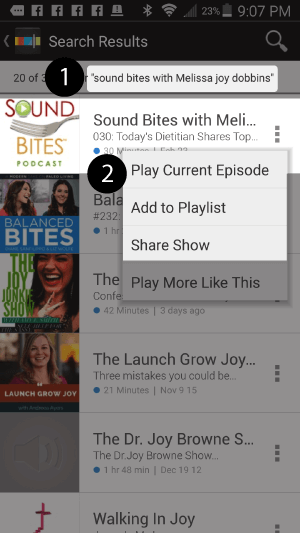
1. Search for “sound bites with melissa joy dobbins” 2. Choose Play Current Episode or Add to Playlist
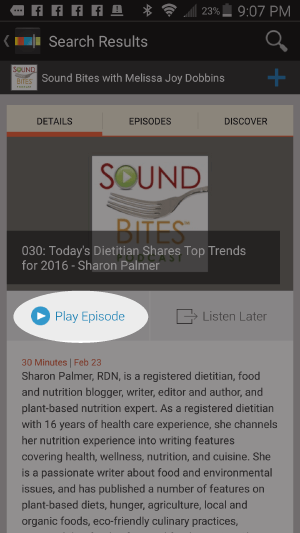
Choose “Play Episode”
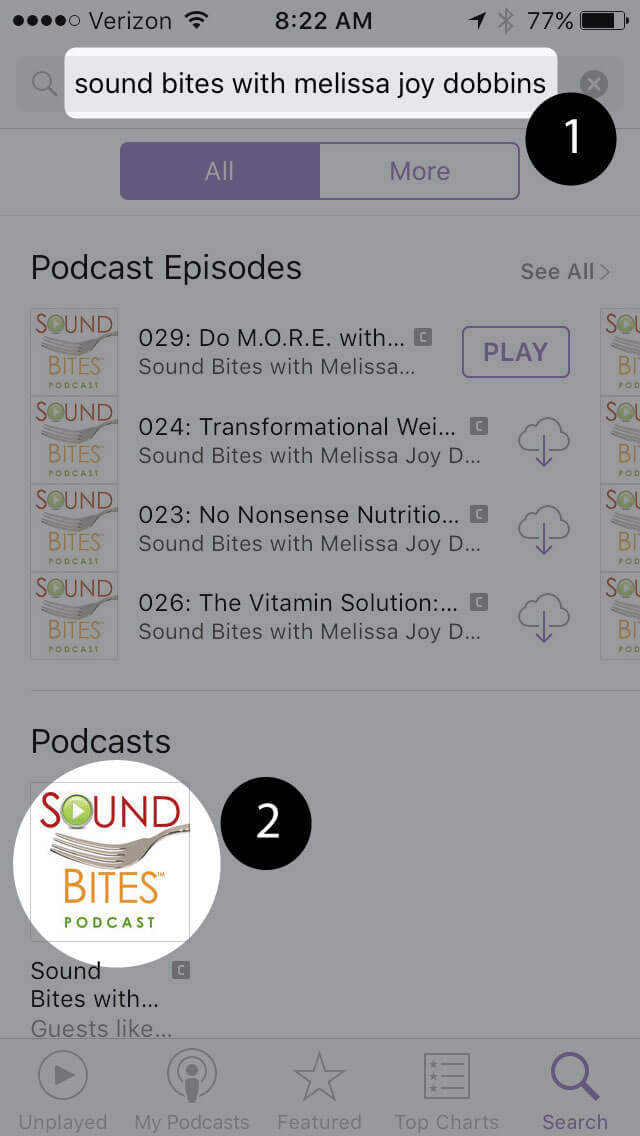
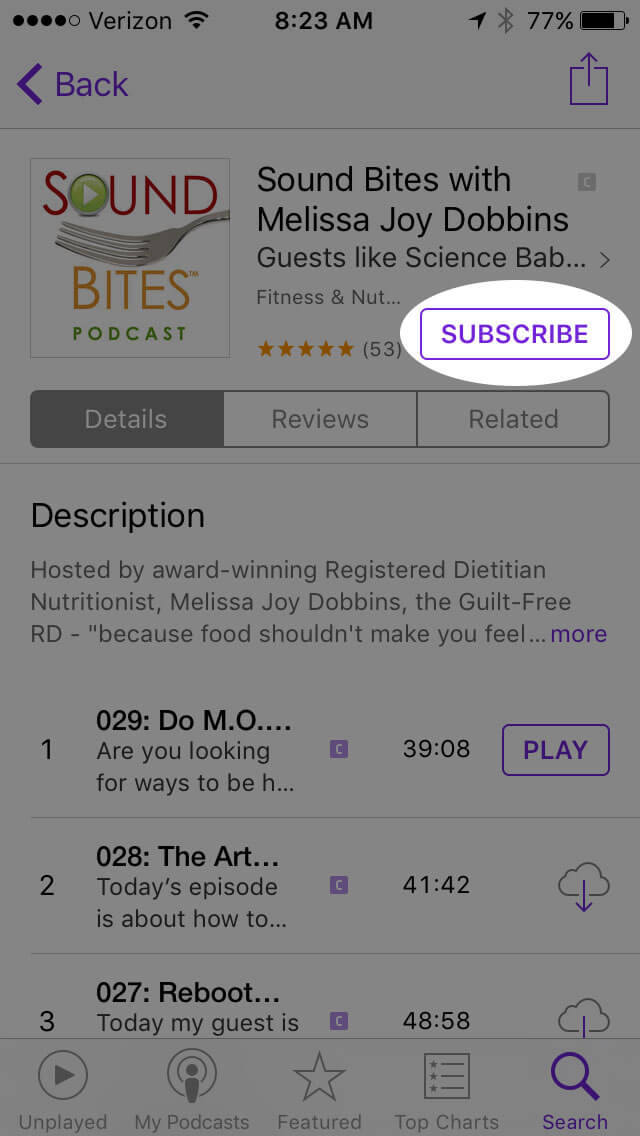
Subscribe & Review on iPhone
Open the “Podcast” app on your iPhone
Search for “Sound bites with melissa joy dobbins”
Open the podcast and click “Subscribe” and your done!
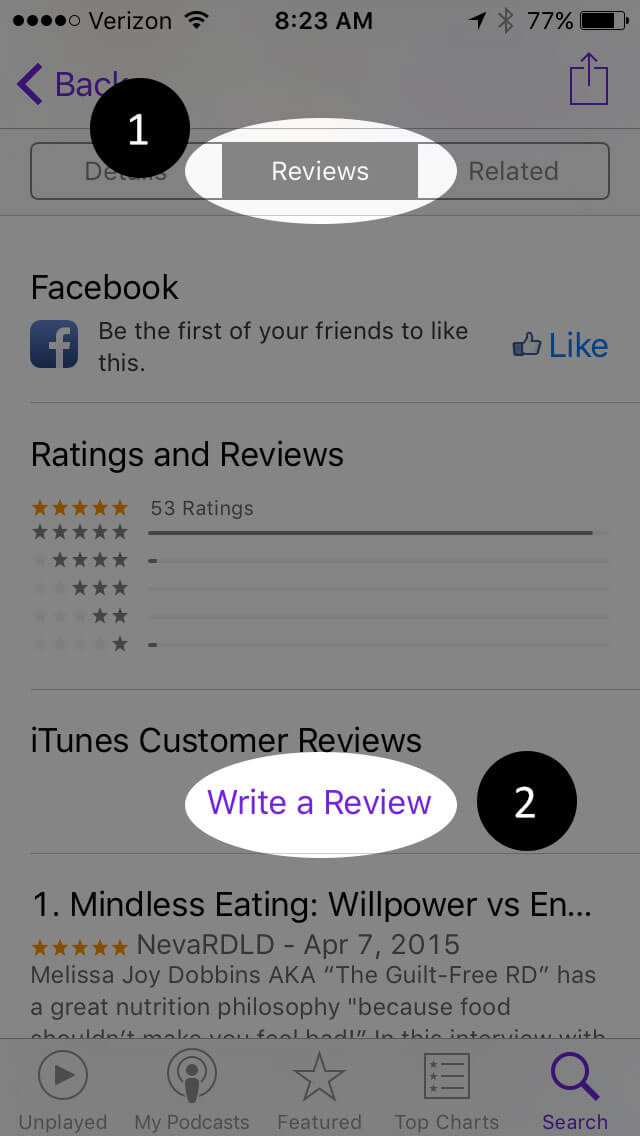
Write a Review
Click “Reviews”, then “Write a Review”.
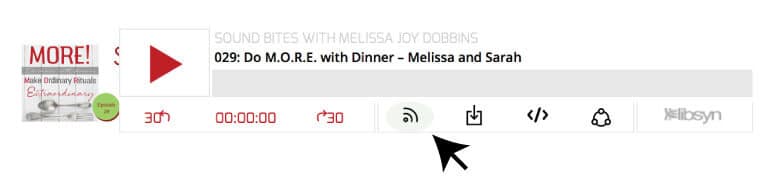
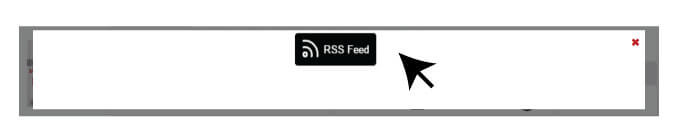
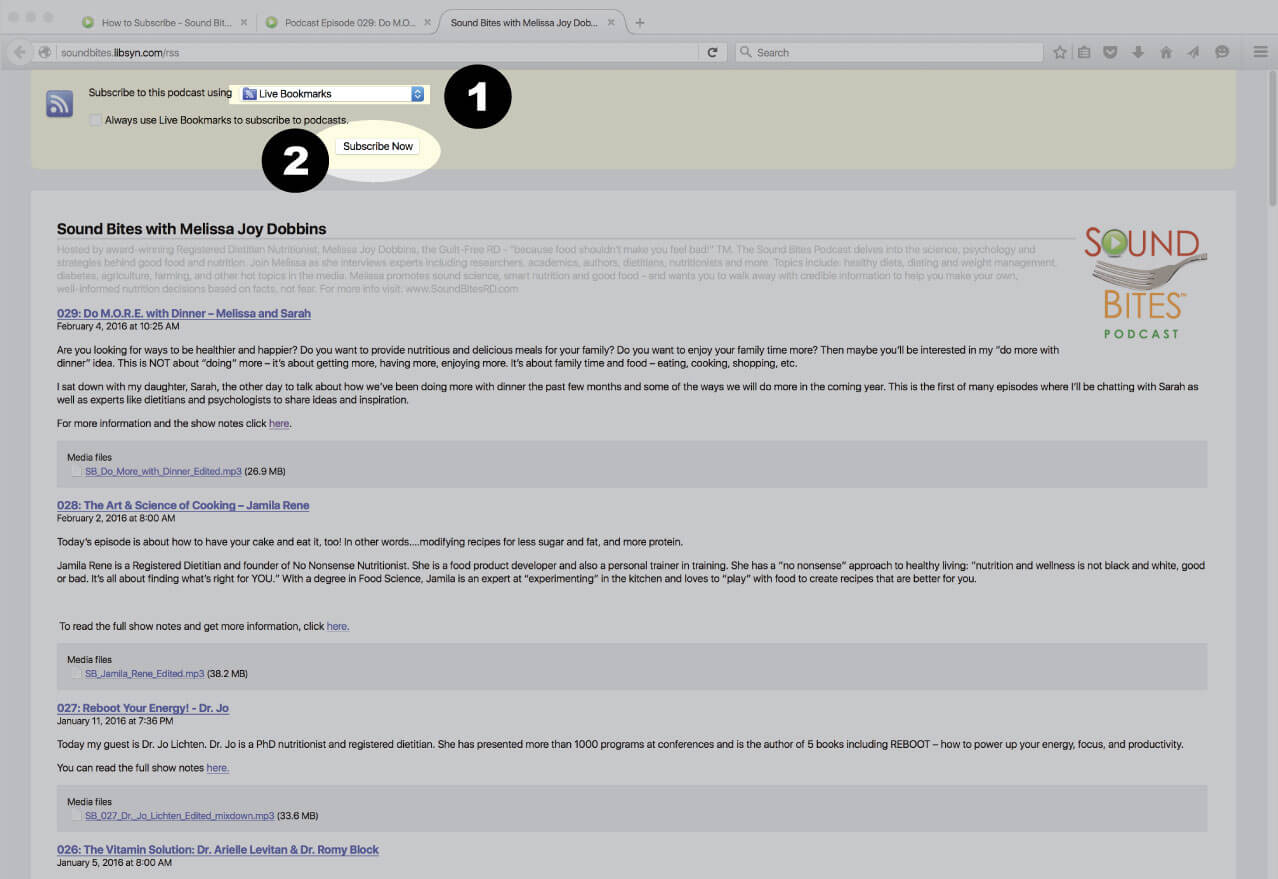
Subscribe via RSS Feed
Navigate to any podcast player . Click on the RSS feed icon.
Click on the RSS feed icon.
Click on RSS Feed
Choose which application you would like to use to receive the RSS feed
Click “Subscribe Now”
Confirm settings and subscribe.
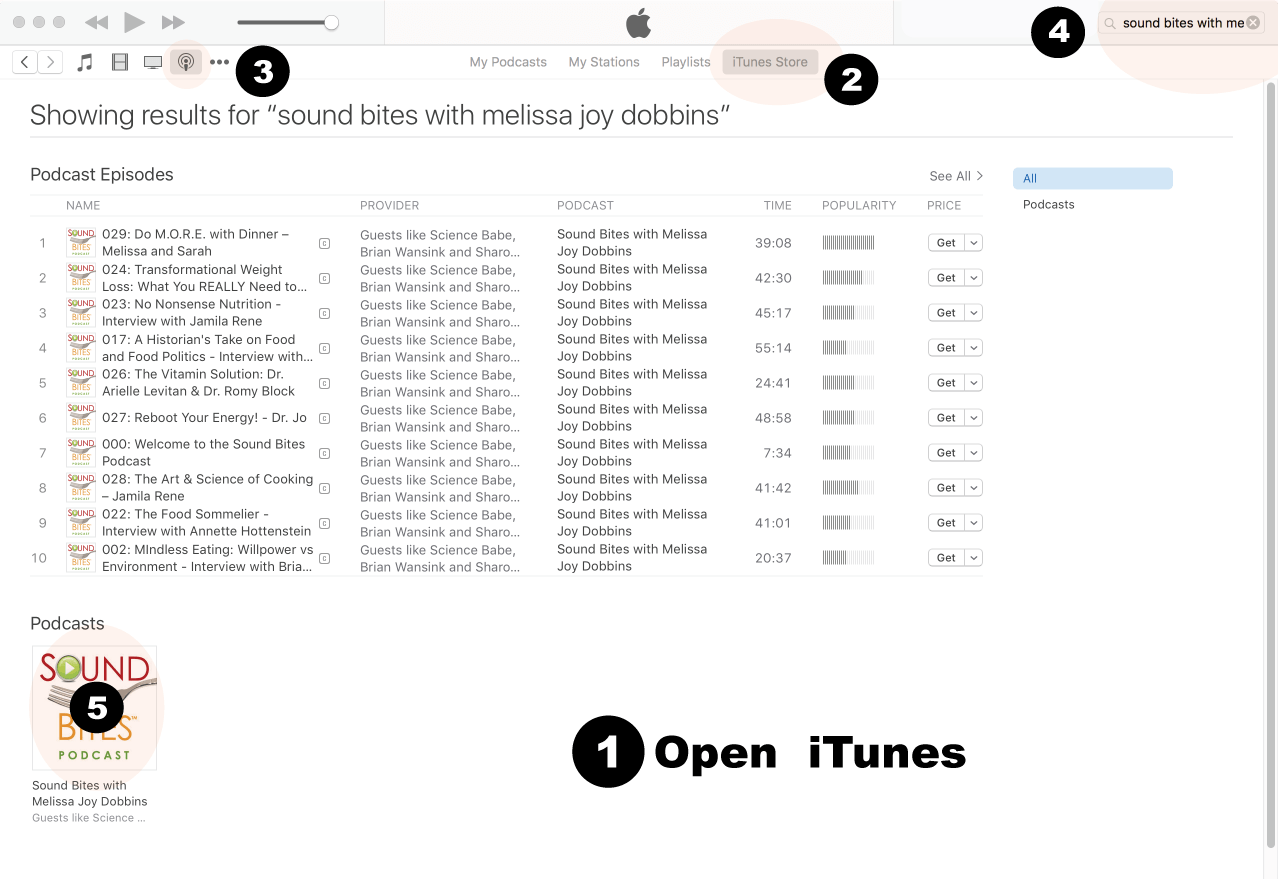
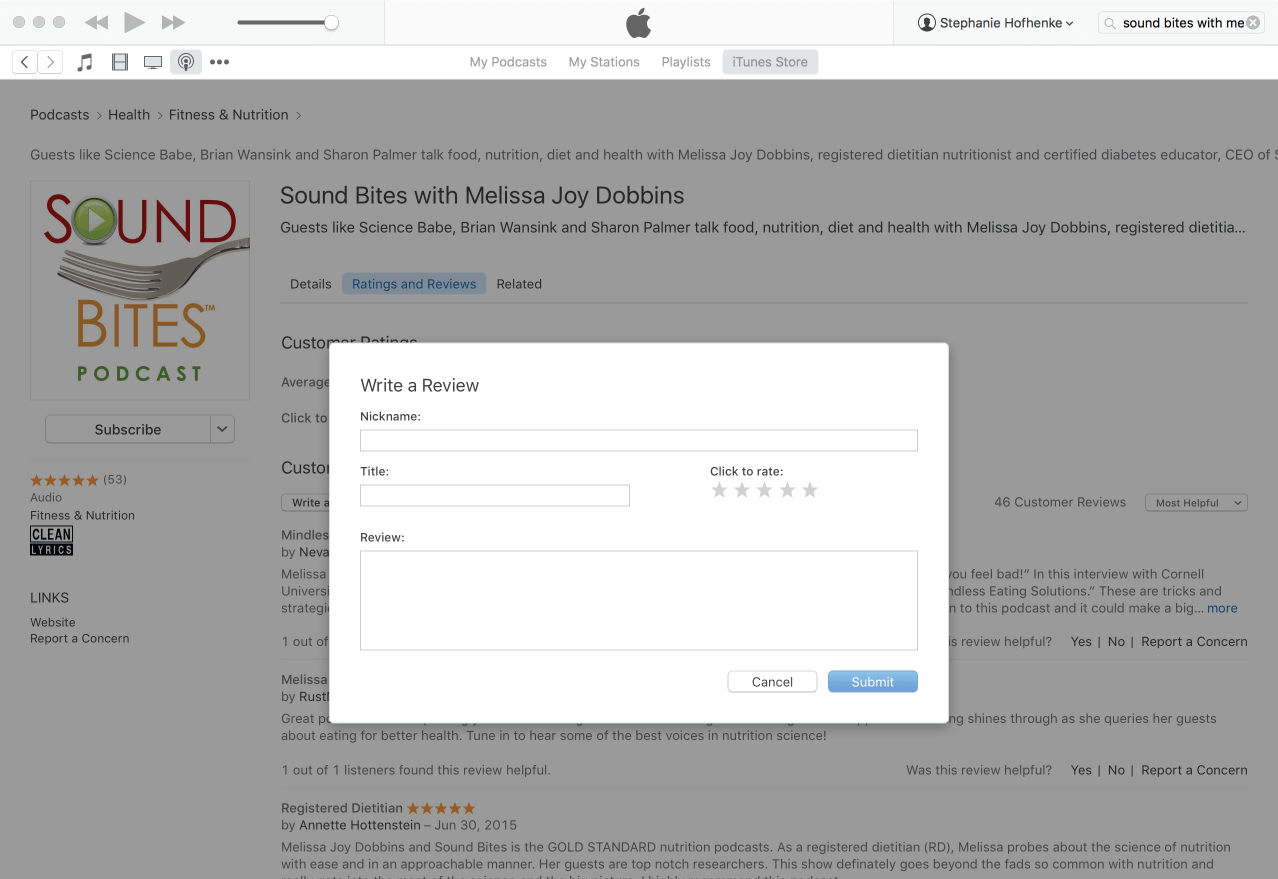
How to Review in iTunes
Open iTunes desktop application
Click iTunes Store
Click on Podcasts
Search for “Sound bites with Melissa Joy Dobbins”
Click on podcast image
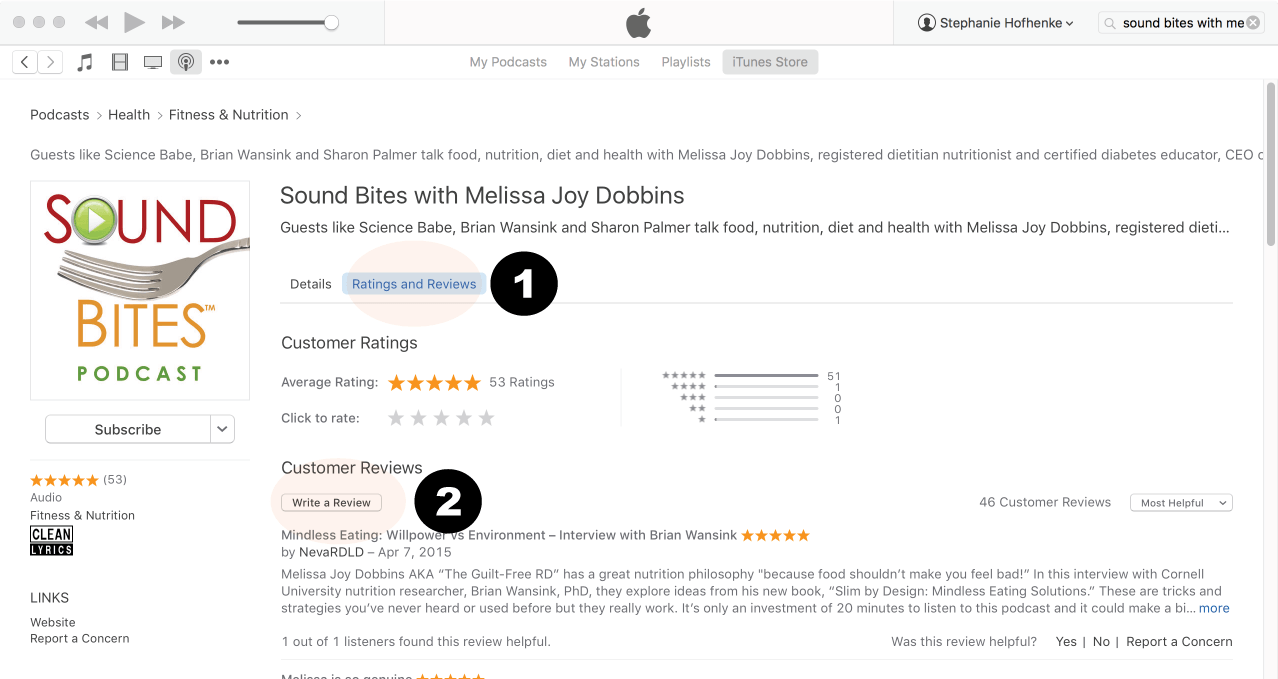
Search for Sound Bites podcast in iTunes
Click Ratings & Reivews
Click Write a Review
View reviews and write your own review.
Write your review…. Thank you!
Write your review!
How to subscribe via iTunes
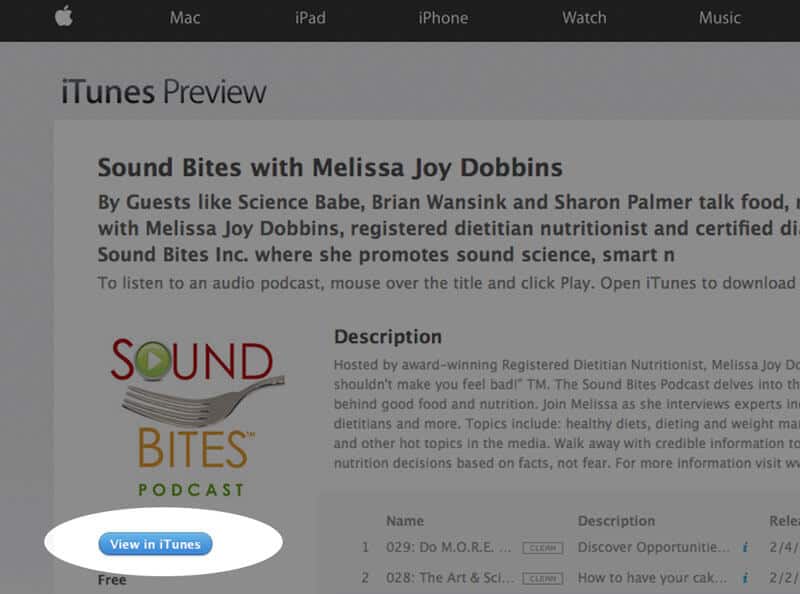
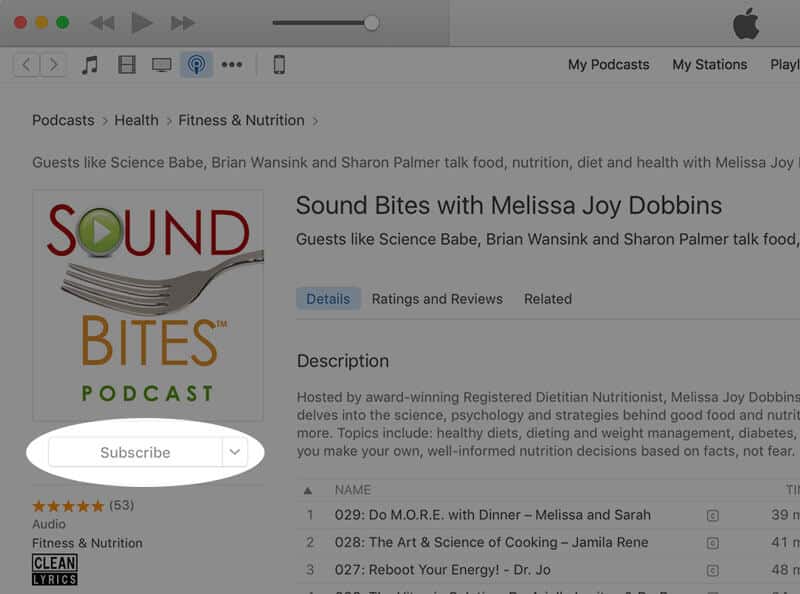
Click here to view the Sound Bites Podcastin iTunes, then click the blue “View in iTunes” button. This will open your iTunes application directly to Sound Bites Podcast. Click the “Subscribe” button, and your done!




 Raeanne Sarazen, a registered dietitian and chef, combines over 20 years of experience producing recipe content as a test kitchen professional, food writer, and editor. She is a sought-after expert for her ability to translate evidence-based nutrition recommendations into delicious, easy-to-follow recipes for the home cook. Her writing and recipes have appeared in the Chicago Tribune, The Wall Street Journal, Cooking Light, Better Homes and Gardens, among many other places. Raeanne is the author of the professional resource book, The Complete Recipe Writing Guide. A mother of three, Raeanne lives in Chicago with her husband.