Celebrating over 1 Million Downloads and 50,000 Free CEUs on the Sound Bites® Podcast | NEW: Get 1 years’ worth of CEUs with the new 15-CEU Podcast Course
This episode is sponsored by the Association of Diabetes Care & Education Specialists (ADCES – formerly the American Association of Diabetes Educators) and we thank them for their support of the podcast. Molly McElwee-Malloy is a volunteer with ADCES and an employee of Tandem Diabetes Care.
American Association of Diabetes Educators Name Change
On January 22, 2020, the American Association of Diabetes Educators became the Association of Diabetes Care & Education Specialists. Through extensive research and stakeholder outreach, it was determined that the term diabetes educator did not encapsulate all that the specialty does for people with or at risk for diabetes, the larger healthcare system, payers and providers. Data showed that the title diabetes care and education specialist better represents all this specialty does, bridging both the clinical and self-management aspects of the specialty to better position diabetes care and education specialists as a critical member of the diabetes care team.
You deserve to feel good about yourself and your diabetes, and you deserve support from your health care team, friends and family to manage this burden.”
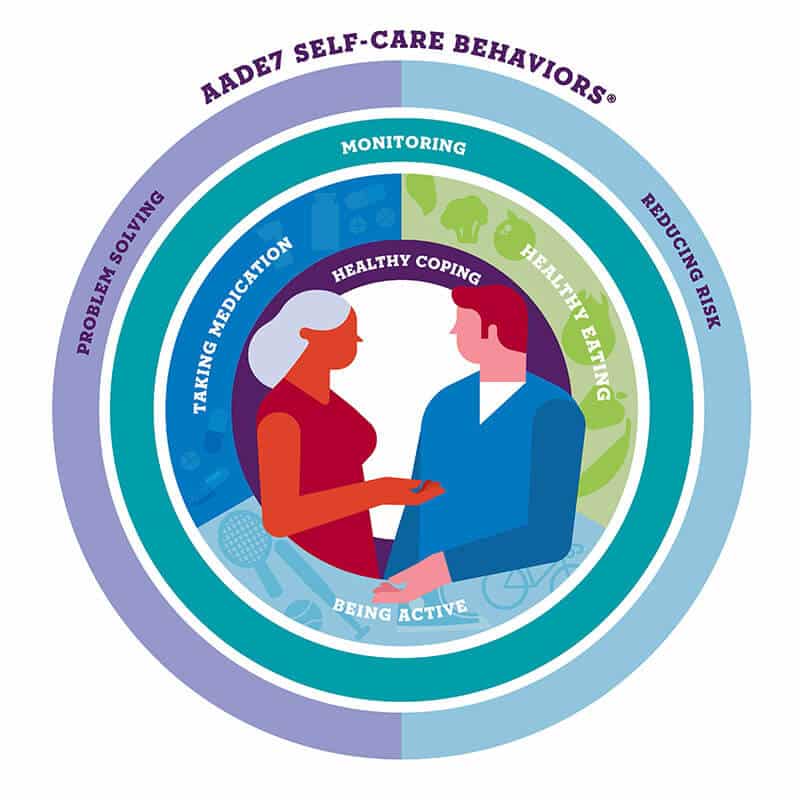
AADE7 Self-Care Behaviors® Framework from the Association of Diabetes Care & Education Specialists
The AADE7® Self-Care Behaviors framework utilizes the best practice of diabetes education by measuring, monitoring and managing outcomes.
The 7 behaviors are: healthy eating, being active, taking medication, monitoring, reducing risks, problem solving and healthy coping. These behaviors are widely recognized and used by healthcare professionals, professional organizations and governmental agencies.
Much has changed since the AADE7 were last updated in 2011. Tune in to this episode to learn about:
Diabetes Care and Education Specialists have seen their role go far beyond self-management of blood glucose (SMBG)
The role and use of technology has transformed the approach to diabetes self-care
New tools for screening have been developed for social determinants of health, health literacy and numeracy
New classes of medications and evolving algorithms have changed how we work with clients
Models of care like population health have become integral for improved management on a larger scale
Be a person, not a pancreas. Too often we have unrealistic expectations of what PWD should be able to handle. In no other disease state do we ask the patient to perform all the tasks involved that the organ would normally do. I am a big fan of automation and technology that takes care of some of these tasks.
Molly McElwee-Malloy RN, CDE
Molly is a nurse, diabetes educator and researcher who has dedicated her career to diabetes technology and automated insulin delivery systems. She was diagnosed with type 1 diabetes at the age of 20 and decided to change careers from professional musician to nurse and diabetes educator after participating in a diabetes research trial in 2006. Molly has held various volunteer positions with ADCES and currently works in the Behavioral Sciences department at Tandem Diabetes Care focused on clinical outcomes and managed care relationships.
Nobody asks for diabetes and nobody gets diabetes for being a bad person – it happens for a multitude of reasons, some of which we don’t even fully understand.”
ADCES updated the AADE7 Self-Care Behaviors in a published paper in the April issue of The Diabetes Educator Journal. To access the paper, new tip sheets (available in English and Spanish), and other resources click here: AADE7 Self-Care Behaviors: The Framework for Optimal Self-Management
Sound Bites is partnering with the Association of Diabetes Care and Education Specialists (formerly the American Association of Diabetes Educators)! Stay tuned for updates on the podcast, blog and newsletter!
Sign up for my monthly newsletter and episode eblasts so you never miss an update!
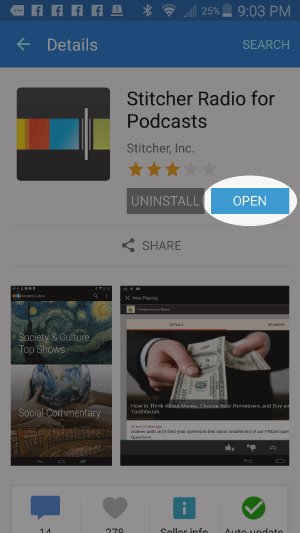
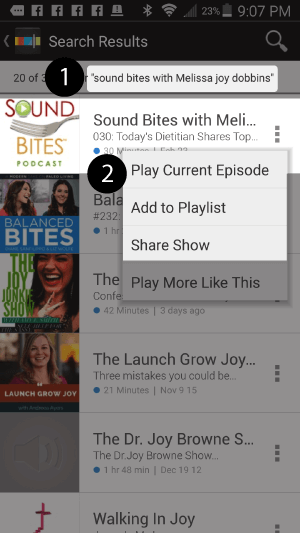
Listen on Stitcher (Android)
Install the Stitcher App
1. Search for “sound bites with melissa joy dobbins” 2. Choose Play Current Episode or Add to Playlist
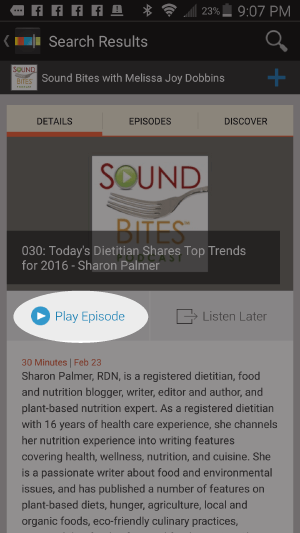
Choose “Play Episode”
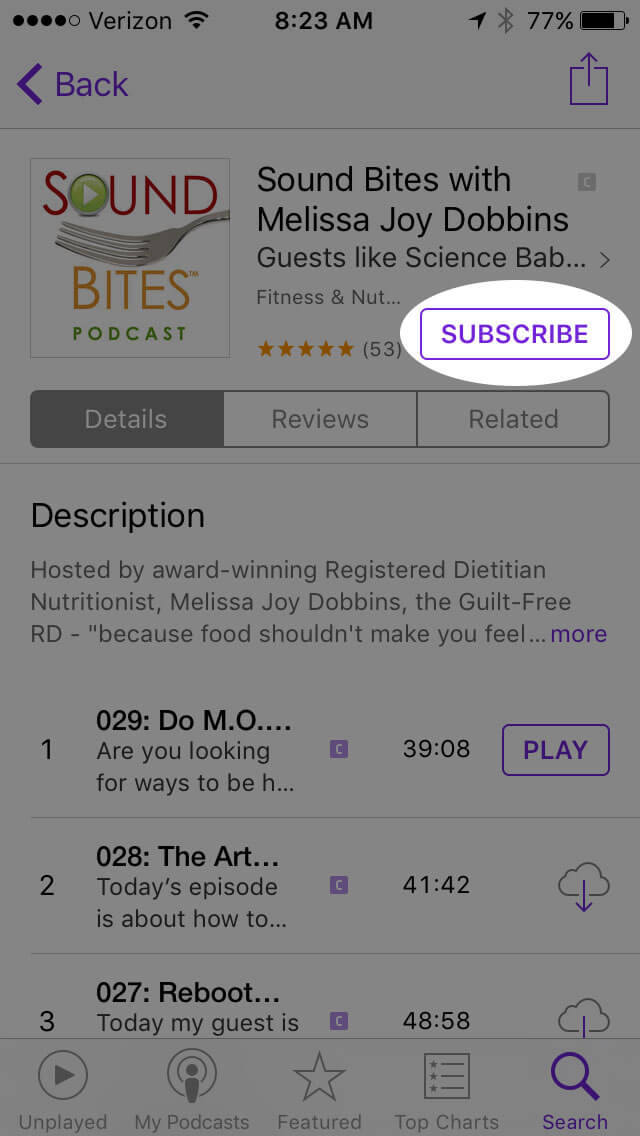
Subscribe & Review on iPhone
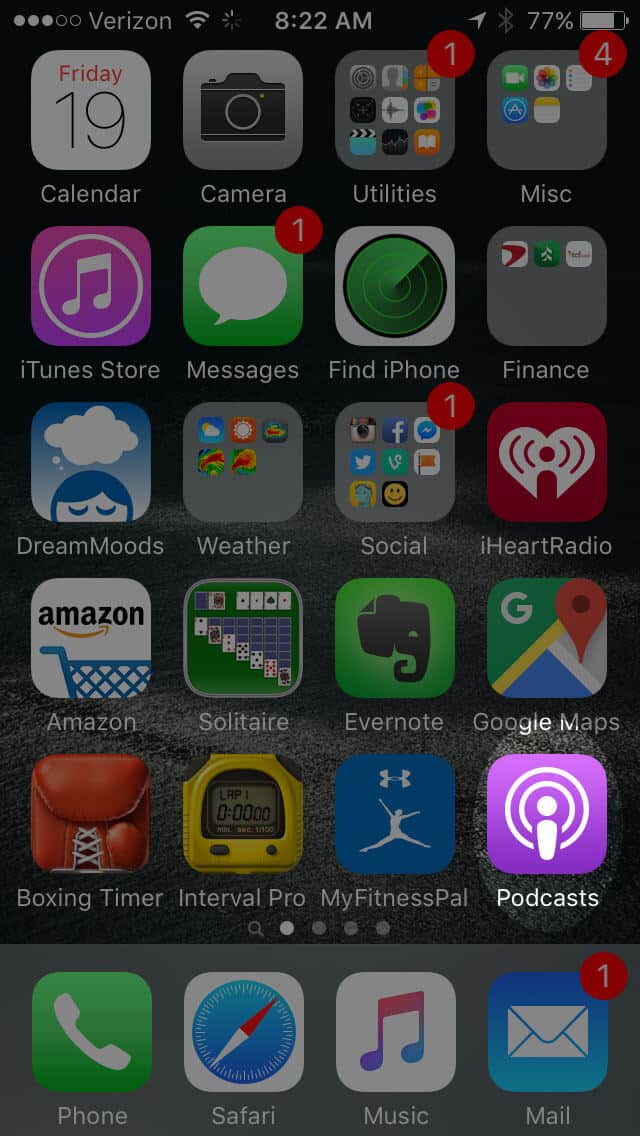
Open the “Podcast” app on your iPhone
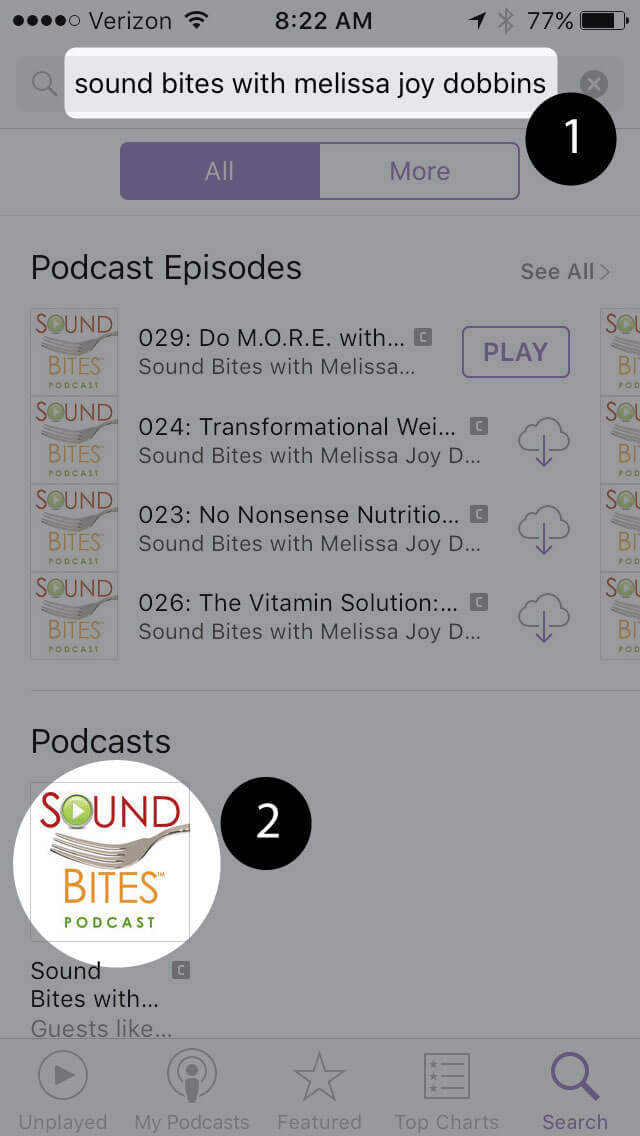
Search for “Sound bites with melissa joy dobbins”
Open the podcast and click “Subscribe” and your done!
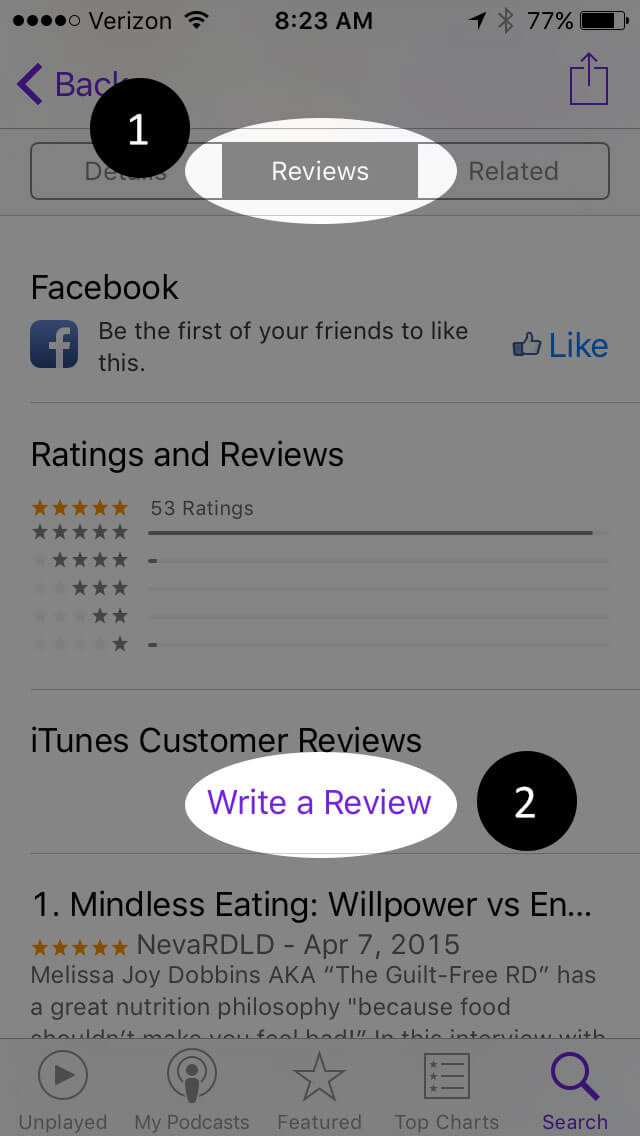
Write a Review
Click “Reviews”, then “Write a Review”.
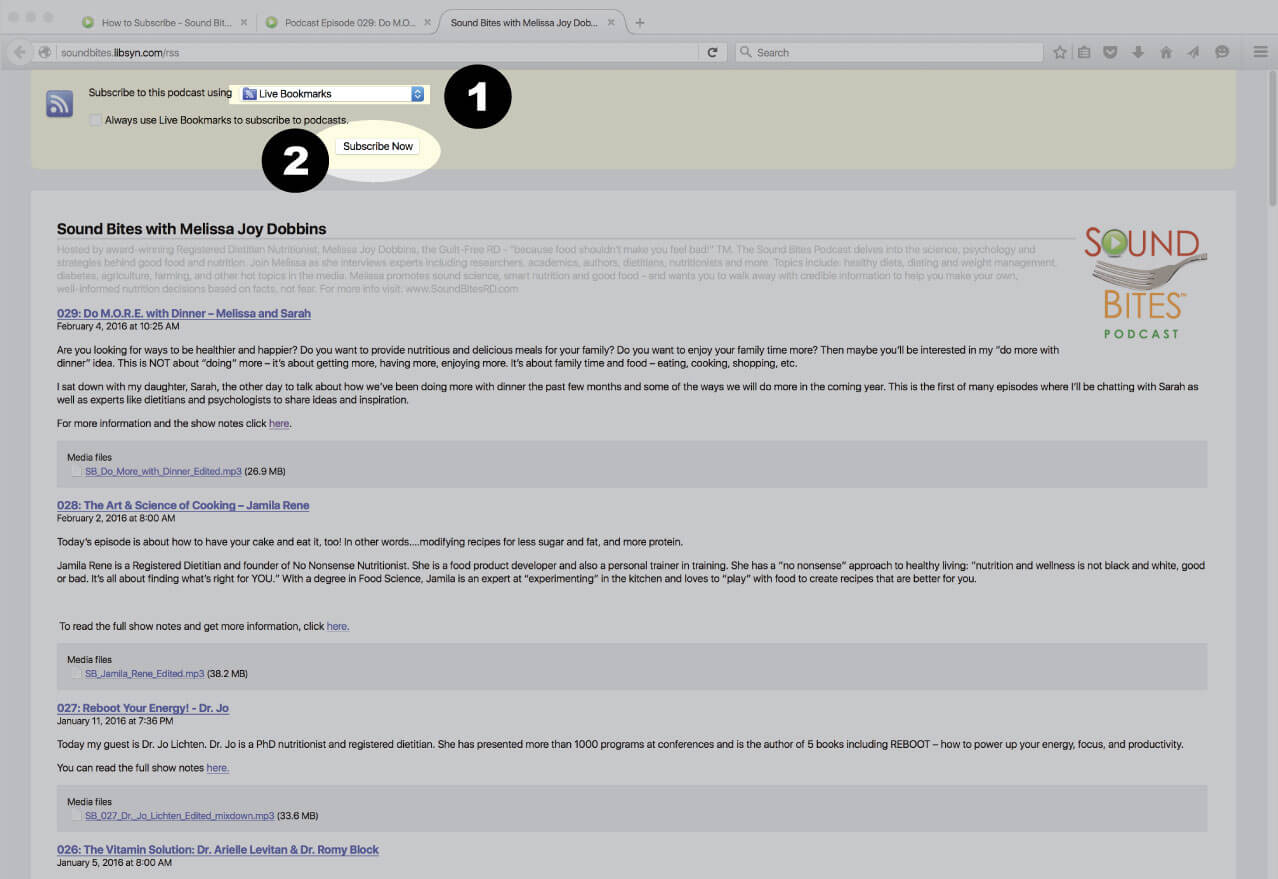
Subscribe via RSS Feed
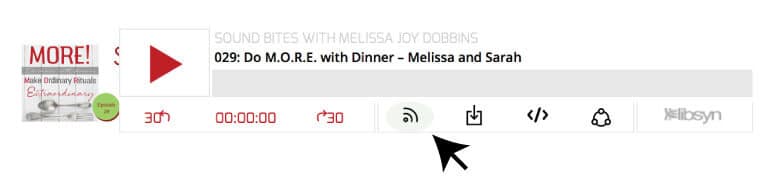
Navigate to any podcast player . Click on the RSS feed icon.
Click on the RSS feed icon.
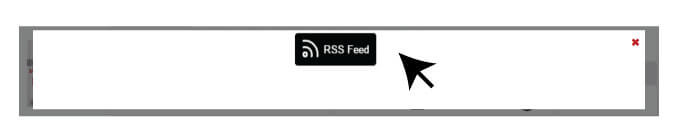
Click on RSS Feed
Choose which application you would like to use to receive the RSS feed
Click “Subscribe Now”
Confirm settings and subscribe.
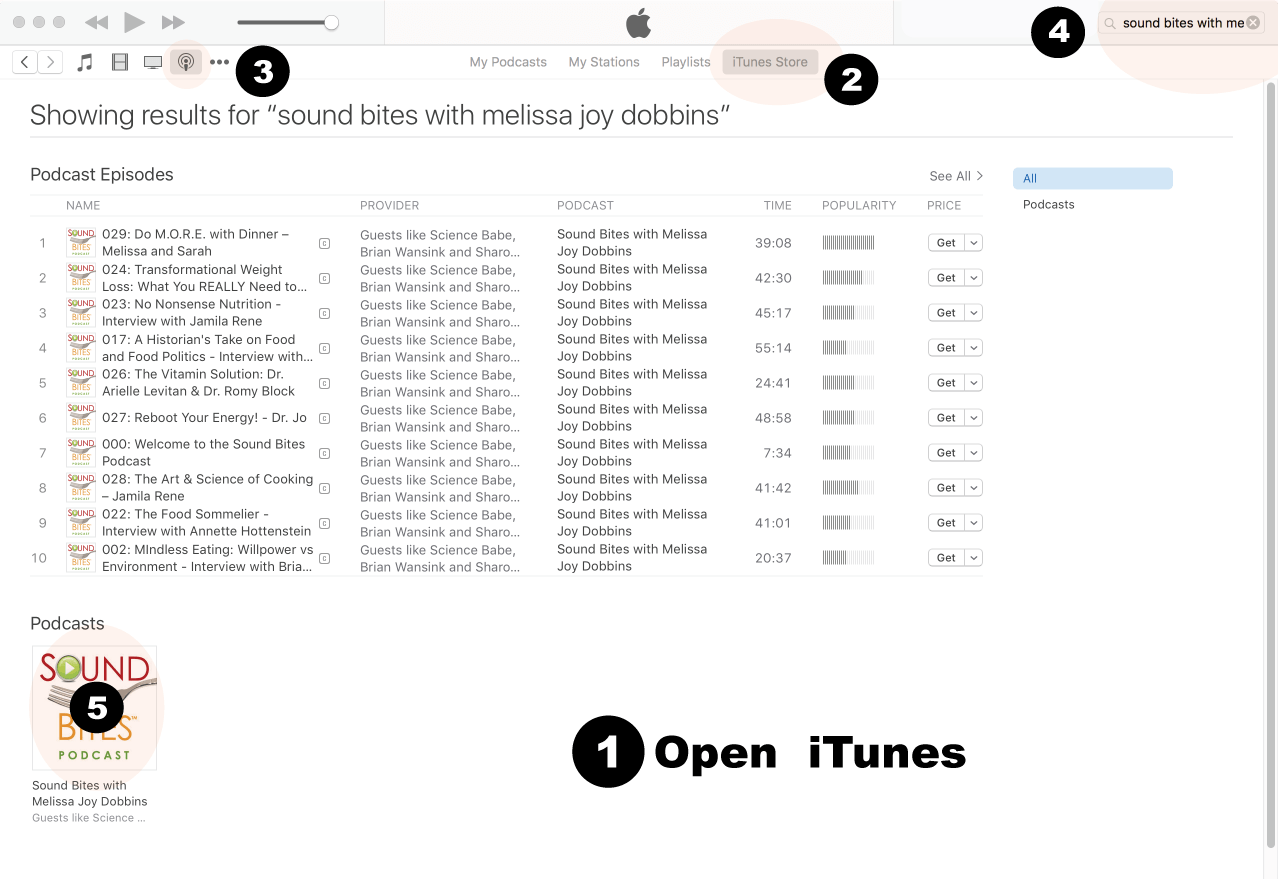
How to Review in iTunes
Open iTunes desktop application
Click iTunes Store
Click on Podcasts
Search for “Sound bites with Melissa Joy Dobbins”
Click on podcast image
Search for Sound Bites podcast in iTunes
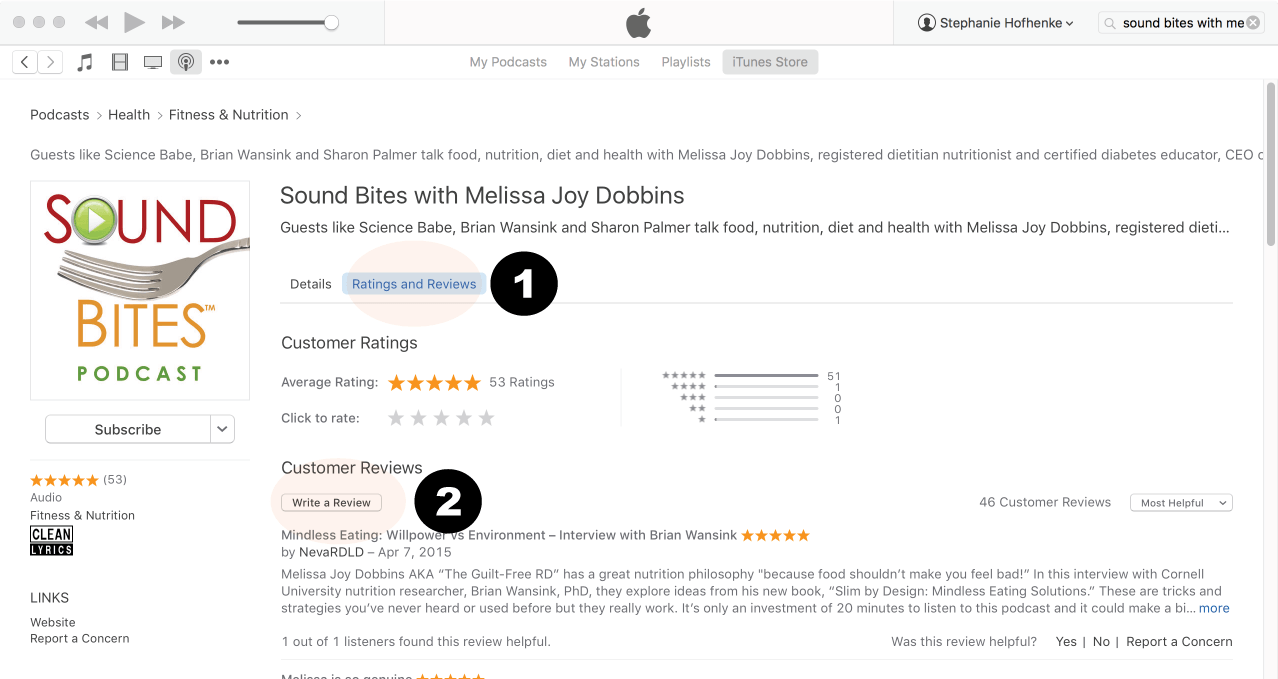
Click Ratings & Reivews
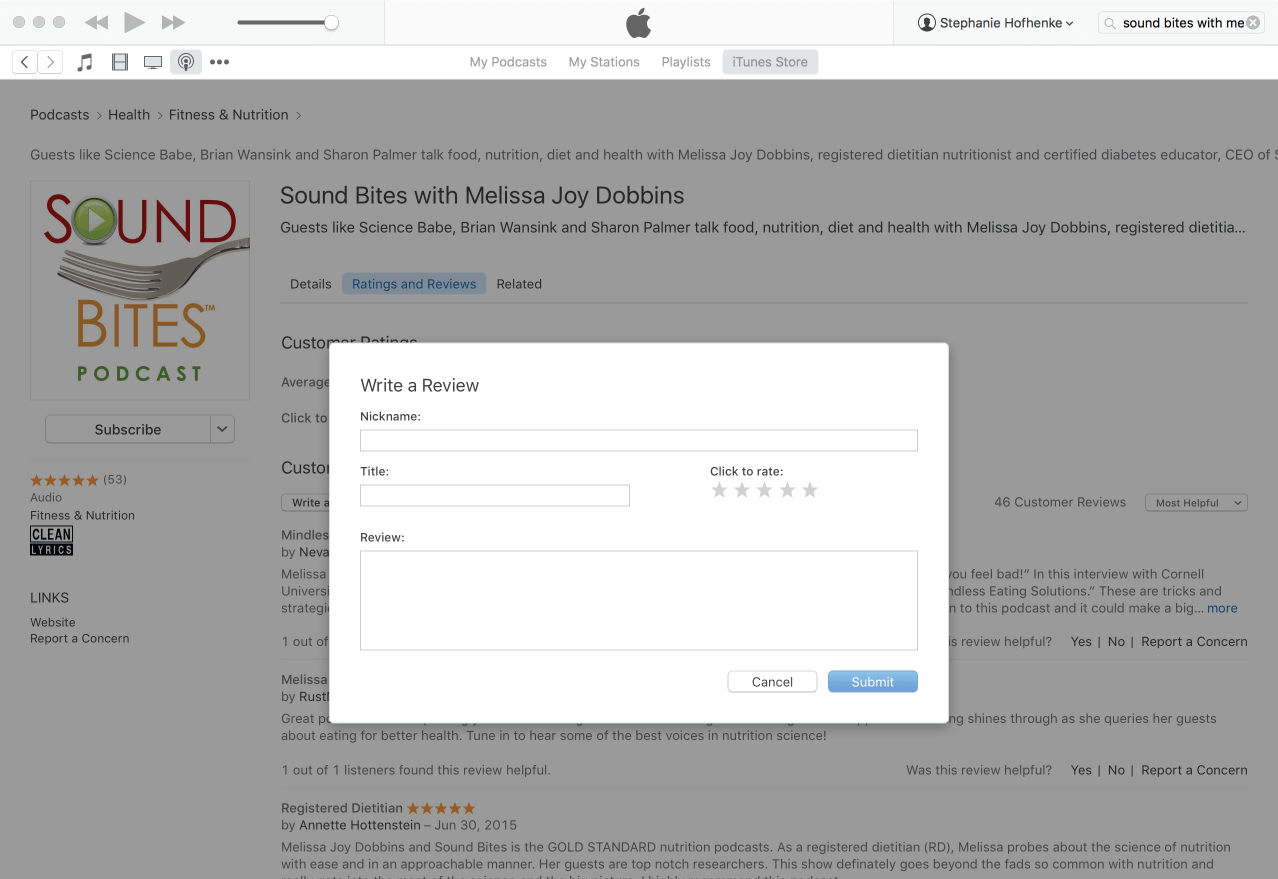
Click Write a Review
View reviews and write your own review.
Write your review…. Thank you!
Write your review!
How to subscribe via iTunes
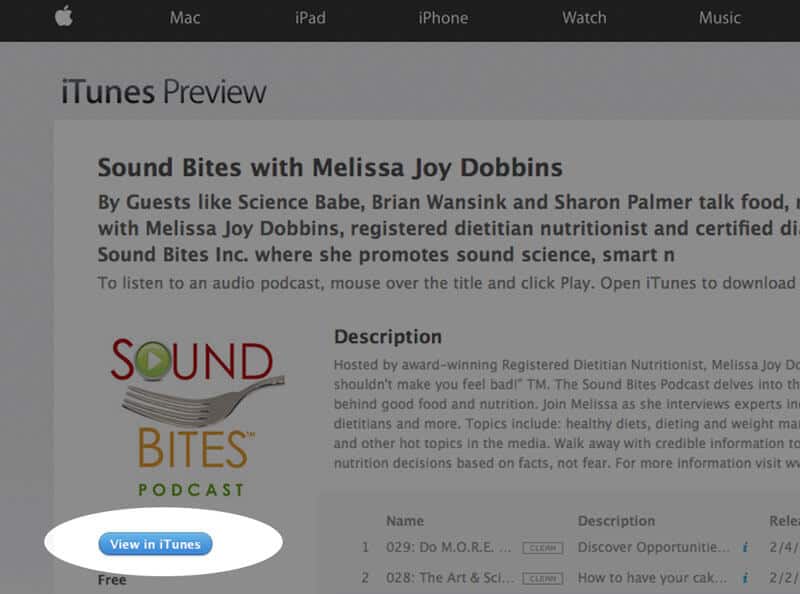
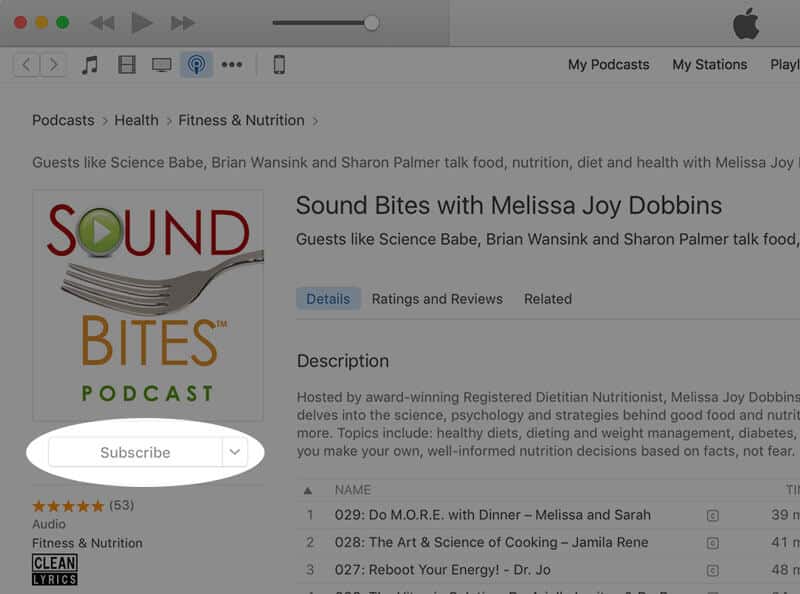
Click here to view the Sound Bites Podcastin iTunes, then click the blue “View in iTunes” button. This will open your iTunes application directly to Sound Bites Podcast. Click the “Subscribe” button, and your done!