Celebrating over 1 Million Downloads and 50,000 Free CEUs on the Sound Bites® Podcast | NEW: Get 1 years’ worth of CEUs with the new 15-CEU Podcast Course
DISCLOSURE: This episode is sponsored by Heartland Food Products Group and we thank them for their sponsorship and support of the podcast.
The Latest Research on Added Sugars and Low/No-Calorie Sweeteners
Overconsumption of added sugars continues to be a major concern in health maintenance and chronic disease prevention among Americans. The average American currently consumes 270 calories or the equivalent of 16 teaspoons of added sugars per day. However, the most recent 2020-2025 U.S. Dietary Guidelines for Americans recommend individuals reduce added sugars to no more than 10% of daily calories. In fact, the Dietary Guidelines Advisory Committee’s Scientific Report recommended a reduction in added sugars to no more than 6% of daily calories – or less than half of what most Americans currently consume.
Can low- and no-calorie sweeteners provide a safe and effective option to help people reduce their consumption of added sugars? There are many misconceptions about low- and no-calorie sweeteners, but two newly-published, peer-reviewed papers in Clinical Diabetes and ADCES in Practice Journal help to debunk the top myths associated with these sweeteners around weight management, daily energy intake, desire for sweet foods and glucose metabolism, and offer clinicians and consumers practical strategies for their use to help reduce added sugars consumption.
Tune in to this episode to learn about:
Current added sugars intake and recommendations
Top sources of added sugars Americans consume
Common myths associated with low- and no-calorie sweeteners
Recent science on hot button topics related to low- and no-calorie sweeteners, such as weight control, glucose management and gut health
The definition of Acceptable Daily Intake (ADI), how it is used in research and to assess safe consumption of low- and no-calorie sweeteners
Insights regarding study design and methodology, confounding factors and reverse causality in research on low- and no-calorie sweeteners
Differences between foods and beverages made with low- and no-calorie sweeteners
Practical takeaways for understanding, interpreting and communicating the science around low- and no-calorie sweeteners
Resources including links to research studies and scientific summaries on low- and no-calorie sweeteners
Dr. John L Sievenpiper, MD, PhD, FRCPC
Dr. Sievenpiper is a Clinician Scientist who holds appointments as an Associate Professor at the University of Toronto and Staff Physician and Scientist at St. Michael’s Hospital. He has established an internationally recognized research program focused on using randomized controlled trials and systematic reviews and meta-analyses to address questions of clinical and public health importance in relation to diet and cardiometabolic disease prevention. He is the recipient of numerous awards. He is directly involved in clinical practice guidelines development for obesity, diabetes, and cardiovascular disease with appointments to expert committees in Canada and Europe. He has authored > 220 papers.
Hope Warshaw, MMSc, RD, CDCES, BC-ADM, FADCES
Hope Warshaw is a nationally recognized Registered Dietitian (RD) and Certified Diabetes Care and Education Specialist (CDCES). She applies forty plus years of experience in her work as a consultant, book author, freelance writer, and media spokesperson within her business Hope Warshaw Associates, LLC. Hope has been involved with communicating the science of low- and no-calorie sweeteners for many years. She has and continues to serve as a consultant to Heartland Food Products Group, the manufacturer of Splenda Brand Sweeteners. Hope has and continues to speak and write about value low- and nocalorie sweeteners can offer consumers as one of many tools to achieve weight and glycemic management.
I am hopeful that after listening to this podcast in which I and Dr. Sievenpiper debunks many unfounded concerns about low- and no-calorie sweeteners, clinicians, people with diabetes and others use them to trim their intake of added sugars. That’s their role!” – Hope Warshaw
2021 Scientific Publications Summary – A Selection of Recent Publications Supporting the Use of Low- and No-Calorie Sweeteners, published by Heartland Food Products Group annually.
Listen to select Sound Bites Podcasts and earn free CEU credits approved by the Commission on Dietetic Registration (CDR) for registered dietitian nutritionists and dietetic technicians, registered. Get started!
Get Melissa’s Sound Science Toolkit here!
Partnerships:
Sound Bites is partnering with the Association of Diabetes Care and Education Specialists (formerly the American Association of Diabetes Educators)! Stay tuned for updates on the podcast, blog and newsletter!
Sound Bites is partnering with the International Food Information Council! Stay tuned for updates on the podcast, blog and newsletter!
Sign up for my monthly newsletter and episode eblasts so you never miss an update!
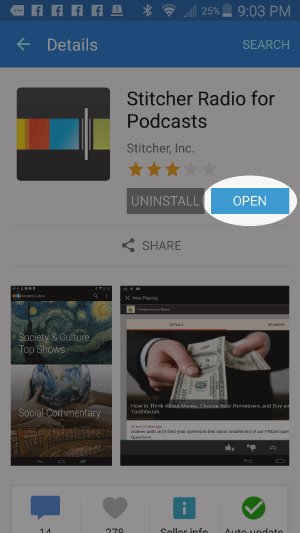
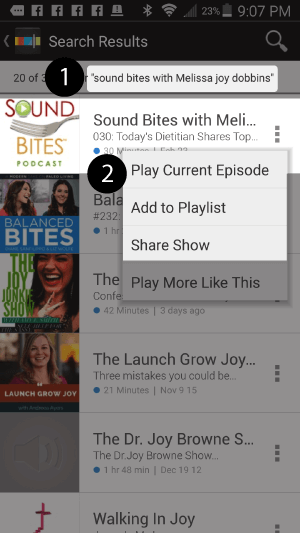
Listen on Stitcher (Android)
Install the Stitcher App
1. Search for “sound bites with melissa joy dobbins” 2. Choose Play Current Episode or Add to Playlist
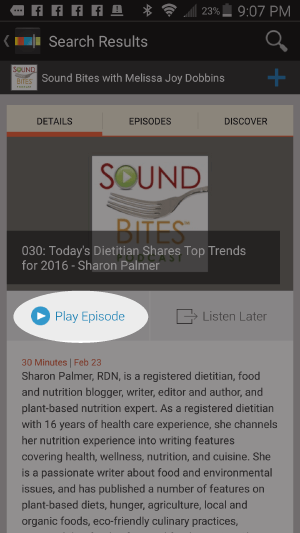
Choose “Play Episode”
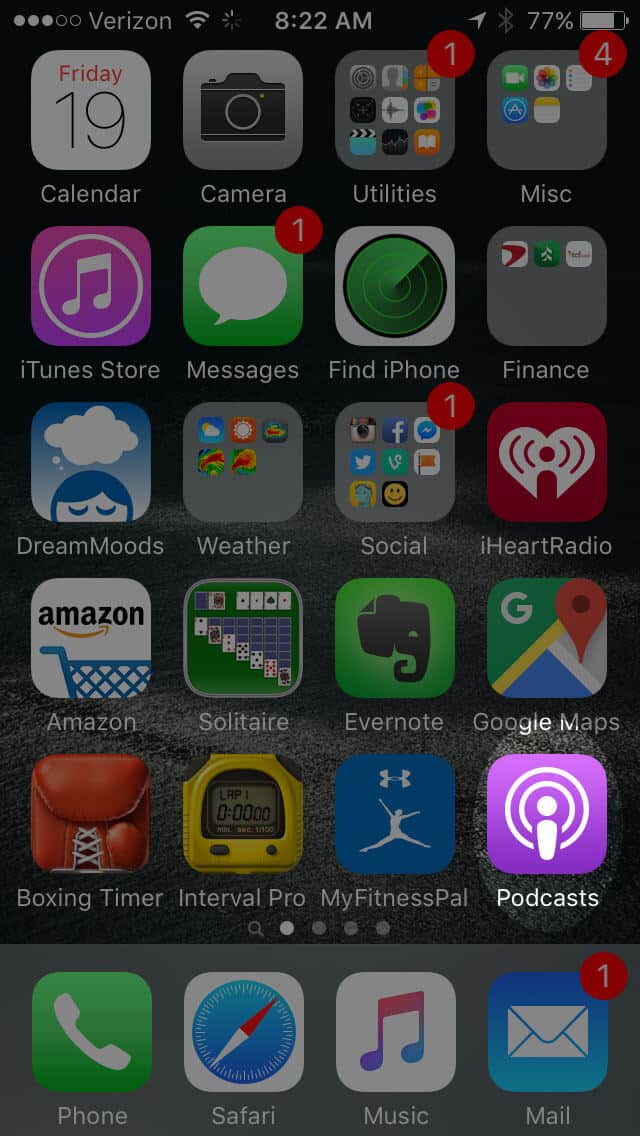
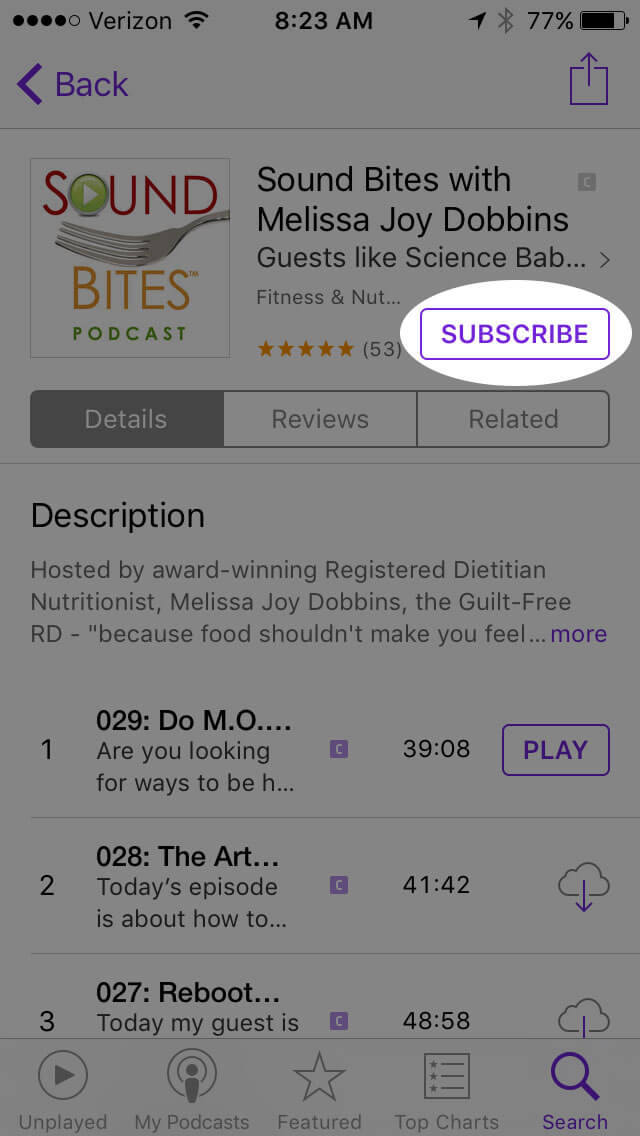
Subscribe & Review on iPhone
Open the “Podcast” app on your iPhone
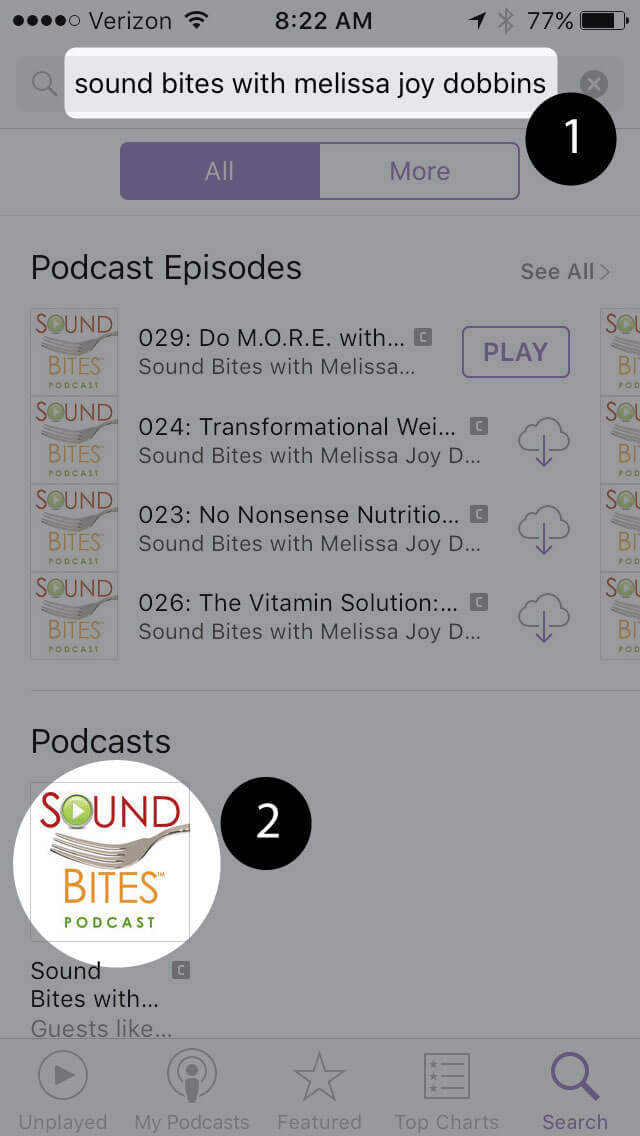
Search for “Sound bites with melissa joy dobbins”
Open the podcast and click “Subscribe” and your done!
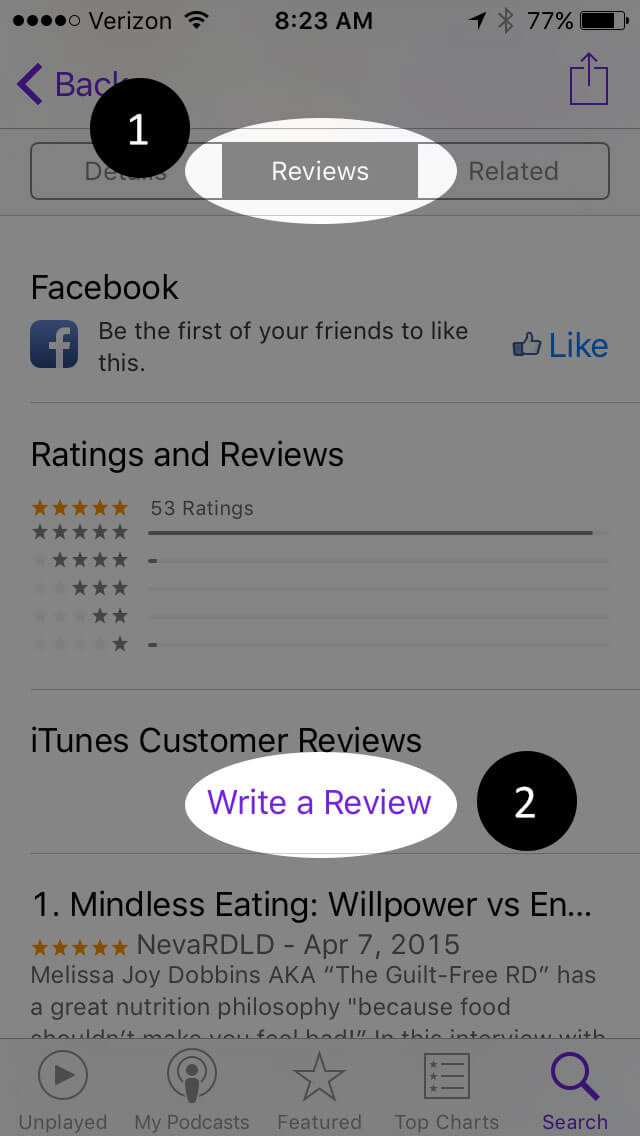
Write a Review
Click “Reviews”, then “Write a Review”.
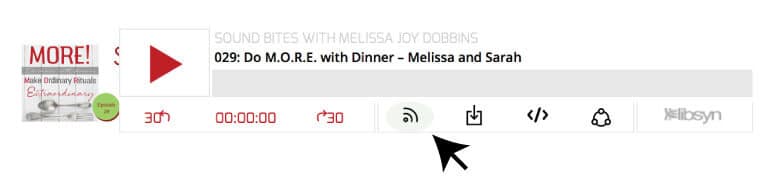
Subscribe via RSS Feed
Navigate to any podcast player . Click on the RSS feed icon.
Click on the RSS feed icon.
Click on RSS Feed
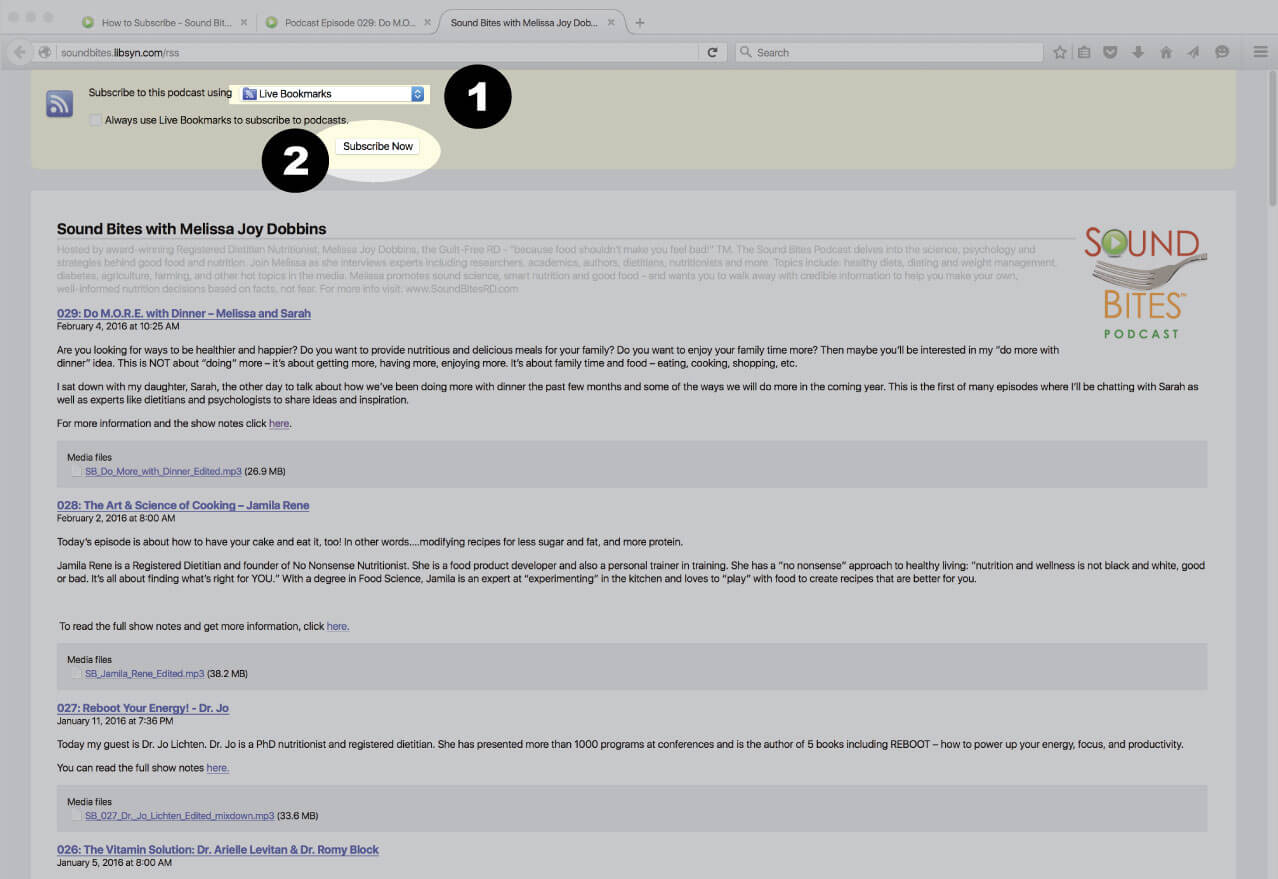
Choose which application you would like to use to receive the RSS feed
Click “Subscribe Now”
Confirm settings and subscribe.
How to Review in iTunes
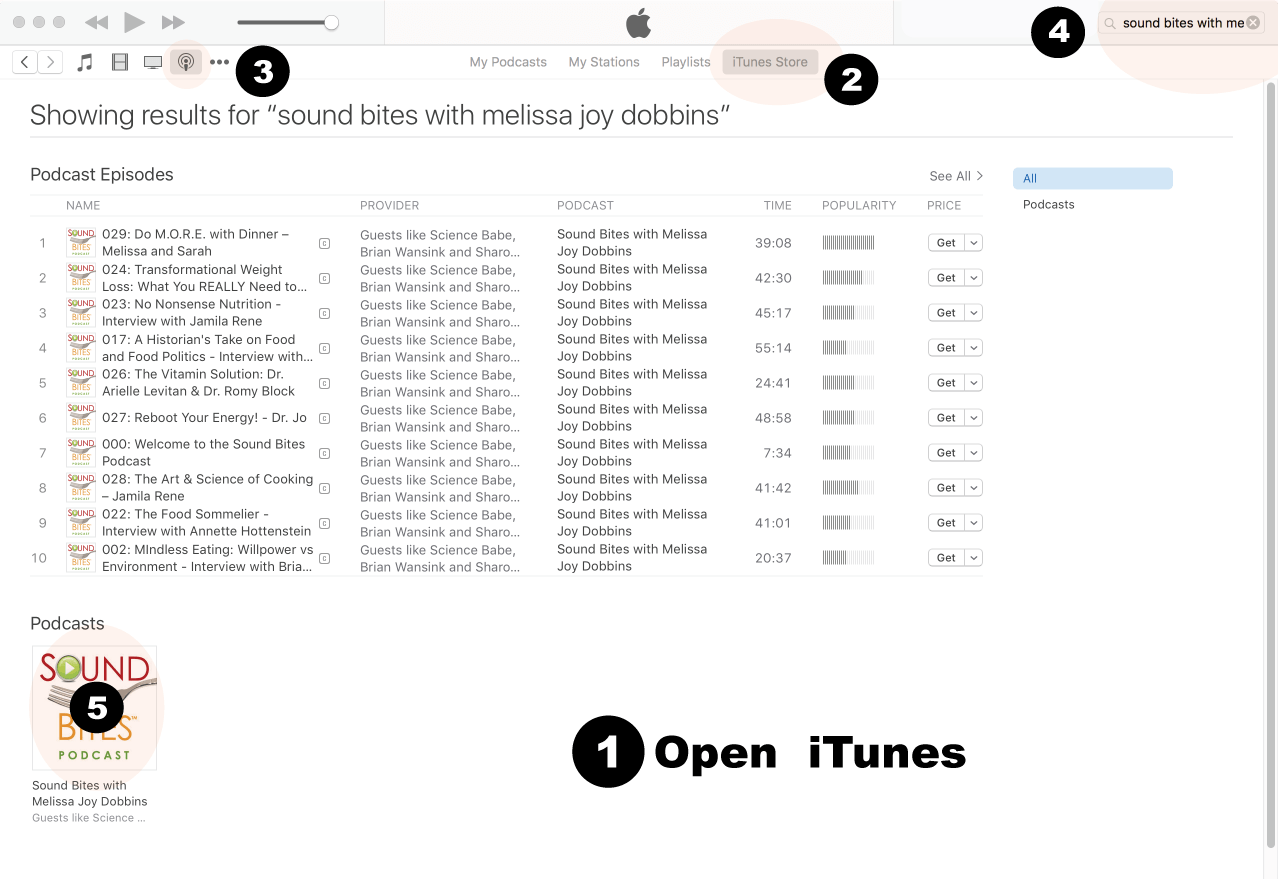
Open iTunes desktop application
Click iTunes Store
Click on Podcasts
Search for “Sound bites with Melissa Joy Dobbins”
Click on podcast image
Search for Sound Bites podcast in iTunes
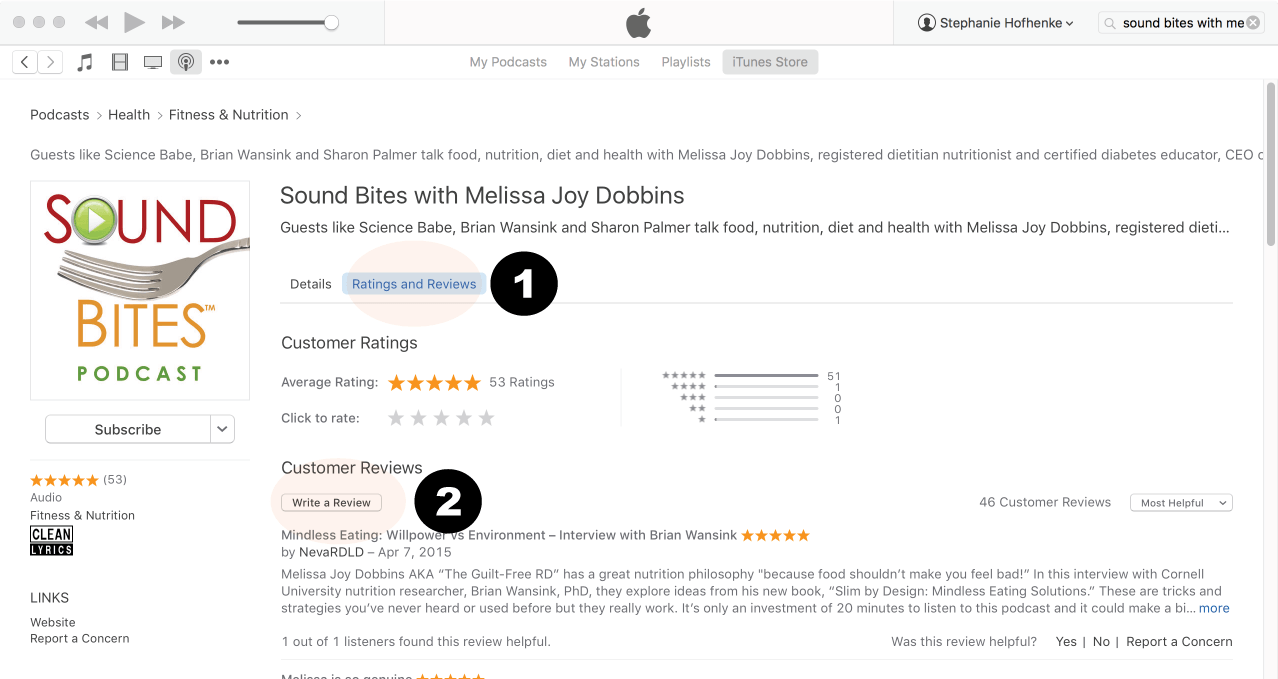
Click Ratings & Reivews
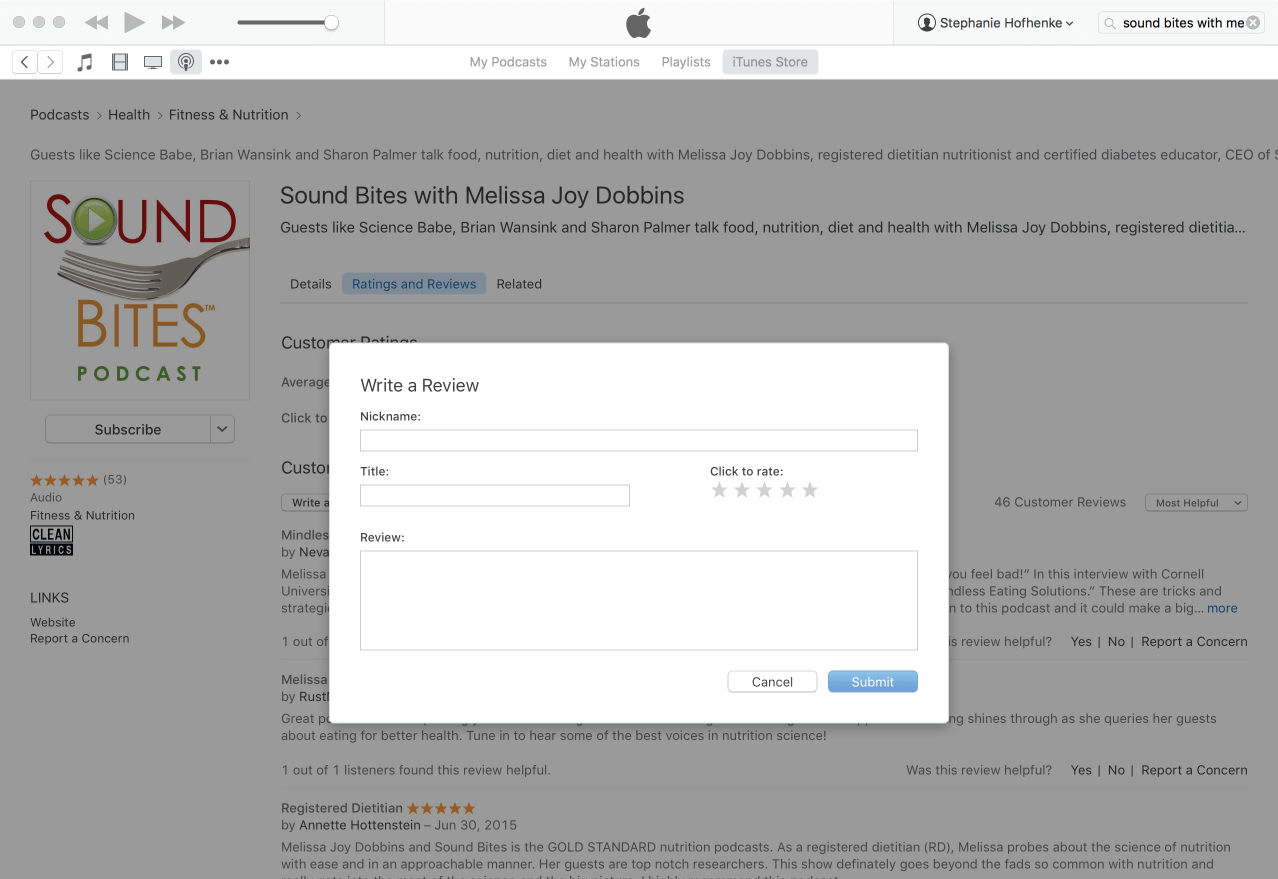
Click Write a Review
View reviews and write your own review.
Write your review…. Thank you!
Write your review!
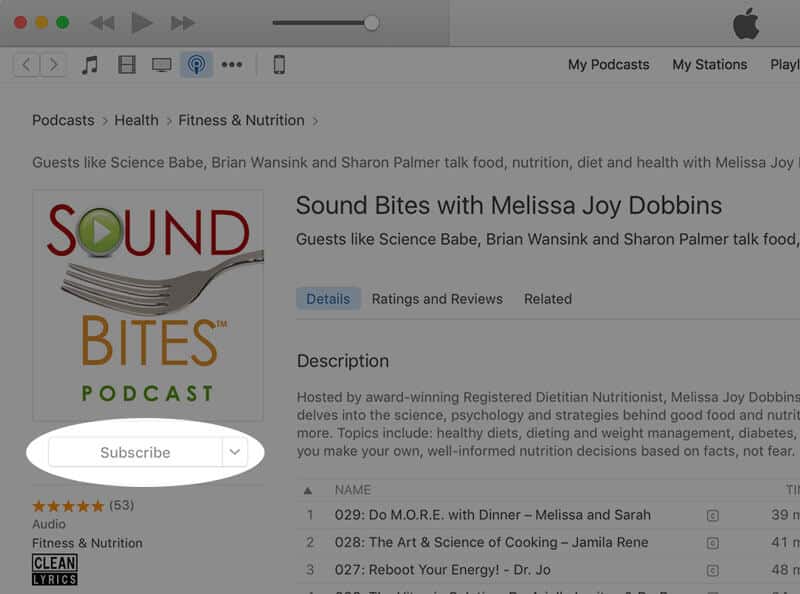
How to subscribe via iTunes
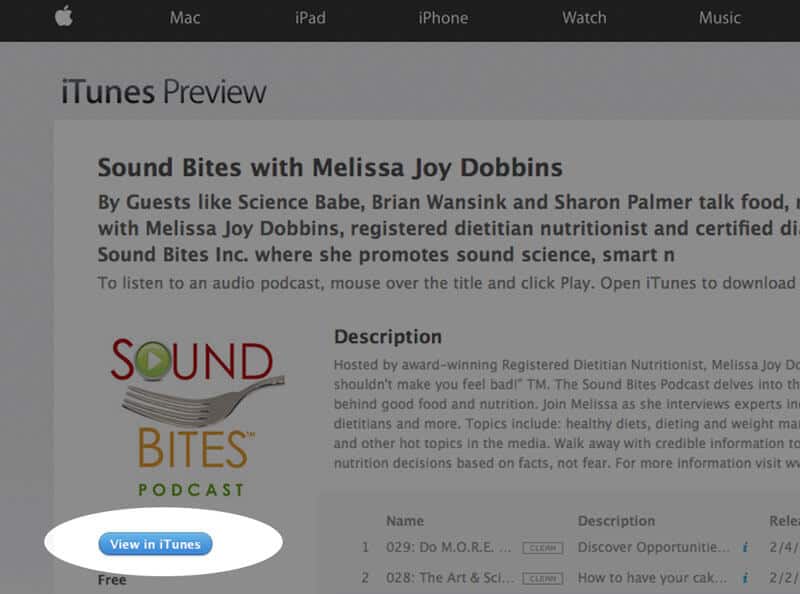
Click here to view the Sound Bites Podcastin iTunes, then click the blue “View in iTunes” button. This will open your iTunes application directly to Sound Bites Podcast. Click the “Subscribe” button, and your done!