
Callbacks: Media Pitching Tips from the Pros
By Melissa Dobbins | February 4, 2014 | 4 Comments
PROLOGUE:
As a media coach, I’m often asked about pitching the media. Most people, including myself, seem to dread it. Maybe it’s that there is no instruction booklet and we weren’t taught about it in school. Or maybe it’s that even when you have a fantastic pitch, often times all you hear back is crickets chirping. No one likes to feel rejected! Or maybe it’s that it can be so very time consuming. In my workshops and 1:1 coaching I like to explain that pitching the media is more of an “art” than a “science” – and that can sometimes makes us science-loving RDs a little nervous. The analogy I like to use is this: It’s really no different to pitch the media than it is to pick up the phone and call a doctor for a tube feeding change or diet recommendation. You just need to be clear, concise and compelling! Oh, and very persistent. Without being a stalker. All of this is easier said than done, I know.
So, let’s forget about the instruction booklet, the feelings of rejection, and the time investment, and take some cues from a few RDs who happen to be experts in pitching!
By the way, each and every one of these RDs is a member of the incredibly valuable Nutrition Entrepreneurs DPG. If you are not a member, you should seriously consider signing up TODAY! I am the NE Speakers & Media Specialty Chair and I want you to know that you don’t have to be an “entrepreneur” to join this group! ALL RDs can benefit from this amazing network, even students.
Torey Jones Armul, MS, RD, CSSD
Account Supervisor at Fleishman Hillard Chicago
www.toreyjonesarmul.com

1. Take it slow. Get to know the person you’re pitching. Read their past articles so you get an idea of what topics they cover. Public health? Food and culinary? Find someone who has an interest in what you’re pitching, and do your research to avoid pitching a story that they’ve covered before.
2. Don’t fear rejection. Editors and journalists get dozens – sometimes hundreds – of pitch emails a day from PR folks. Craft a personalized and creative pitch and wait a few days before following up. When you do follow up, politely ask if they’ve had a chance to review your story or segment idea, and offer to adjust your ideas to any stories they currently have in the pipeline.
3. One on one. Pitch one contact at a time, per outlet. Pitching multiple people at the same outlet with the same ideas is an industry ‘no-no.’ Give the editor or producer a chance to respond. If you don’t receive a response within a week, try changing your pitch and your media contact.
With the right approach, pitching can be quite fun. Just don’t be disheartened by the ‘no’s’ (or even worse, the silence). There are plenty of fish in the sea, and when it comes to media pitching – practice makes perfect.
Laura Hoover MPH, RDN, LDN
Nutrition Communications Expert
Editor-in-Chief at Smart Eating for Kids

2. Know what stories they cover. Take the time to read a few issues of the magazine, or watch the show you’re pitching, before you make the pitch. First, this will help ensure that you’re not pitching a story that they just did. But you’ll also score a few points for showing you understand their work and what they cover. For example, you may say something like “I know you like to provide your readers with lunchtime solutions for their kids. New research shows that most parents are stuck in a sandwich rut. I’d love to share some ideas that will help them break out of the rut.”
3. Be concise. As dietitians, we can be rather loquacious, but this isn’t the time for a dissertation. Be concise with your pitch. Use subheads and bullet points within your email to help quickly communicate your ideas. Not only will they appreciate your brevity, but it’ll show that you can communicate concisely and persuasively.
Jennifer E. Seyler, MS, RD
Vice President, Health & Wellness
FleishmanHillard

It is fair to say that on any given day a producer or editor may receive hundreds of pitch emails…making the subject line the first potential point of entry. If the subject line doesn’t give the reader a reason to go further, the email will get deleted before it was ever opened. So, be clear and to the point, highlighting the main reason to be speaking. Think about it, how many times do you do delete your emails without opening them; shifting out only the ones that appear important to you based on the subject line?
2. You Pitch People
Don’t get over anxious about pitching the media, as they are human just like you. As you continue to develop the relationship, you will soon see how a lot of your communication may be about your common interests or family. If you were in their shoes, wouldn’t you want to be approached that way?
3. Practice, Practice, Practice
When you think you know what you are going to say when you talk to the editor or reporter, reenact the conversation two or three more times to ensure you know the concept/idea you want to get across vs. having a line memorized. This allows you to sound more authentic and confident.
Kate G. Byers, MS, RDN
KB Nutrition & Communications
Nutrition Communications Consultant
Blog: Indulgent Wellness
Twitter: @katebyersrd

1. Research, Research, RESEARCH!
a. Pay attention to current events and hot topics: Although you might be passionate about a certain area of nutrition, editors/producers are only going to care about it if you make it relevant to something going on to their readers/viewers.
b. Know who you are pitching: Before reaching out to an editor or producer, do a little research into the stories they have published in the past. If they just ran a story about nutrition for athletes, your chances of booking a segment on the same topic are minimal unless you put a fresh spin on it.
2. Make the subject line sizzle – as in all things, you only get one chance to make a first impression. If the subject line doesn’t catch the attention of the editor or producer, the rest of your e-mail will never get read.
Linda S. Eck Mills, MBA, RDN, LDN, FADA
Career and Life Coach, International Speaker, Author
Dynamic Communication Services

Melinda Hemmelgarn, M.S., R.D.
Food Sleuth®, LLC…”helping people think beyond their plates”
Writer, Speaker, Award-winning Columnist, Radio Host & Change Agent

KNOW the publication.
Have clips.
Krista Ulatowski, MPH, RD
Registered Dietitian and Public Health Professional
PR Gal in Former Life
LinkedIn: www.linkedin.com/in/kristaulatowski/
Twitter: @PhytoK

2. Keep in mind the lead time that your outlet is operating on – if it’s TV, pitch something timely/relevant. If it’s for a print magazine, think several months out…
3. Short. Sweet. Short. Sweet. Short. Sweet.
4. Write the pitch in terms of how readers/viewers will benefit. What will they learn? Gain? What do you want them to remember?
5. Put your own touch on it – don’t pitch what you think everyone else will be pitching – outlets are looking for something NEW. Or controversial. Or a GOOD story. Or NEW examples.
6. Don’t be afraid to follow-up – send your pitch and then circle back via email in a few days if you haven’t heard from the reporter/outlet. I tend to close my pitches with a promise that I will gently nudge them if I don’t hear from them, i.e. “I will follow up with you in 1-2 days…” and oftentimes this prods reporters to respond to me first…
7. Keep pitching – if you don’t hear from your contacts in January, come up with a new pitch and get it out there with gusto in February!
8. Lastly, if you find pitching to be a chore, hire someone that loves PR and loves writing clever, pithy pitches……like me!
Katie Proctor, RDN
Former PR agency pro and blogger at http://www.healthyandhappyhour.com.

2. Create a media list and update it regularly. This document should include contact information and notes about key contacts at the outlets you wish to reach (local contacts such as radio, TV, newspaper and smaller magazines). Make sure this list is updated on at least an annual basis, because there is often lots of turnover in the media world.
3. Understand who you’re pitching. Know what topics they (the individual and the publication) feature, their writing style, special columns or segments, etc. Any pitches you send their way should be tailored to the individual and written in a way that shows how your information will benefit their media outlet and inform their readers. Remember, it’s not about you it’s about THEM.
EPILOGUE:
Thank you to all the rock star RDs here who shared their sage advice. I think we are seeing a theme developing here and I’m hopeful that these expert tips will help YOU and other RDs get your voices out there! And remember, even pitching experts will tell you that sometimes they are lucky if they get 1 ‘yes’ for every 10 ‘no’s.’ So, as renowned psychologist Susan Jeffers said, feel the fear and do it anyway!
Please leave your comments, questions and feedback below – I would love to hear from you!
Like what you read here? Hear what other nutrition experts have to say about careers, communication and chasing their dreams. Visit the Directory of Interviews and be inspired!
4 Comments
Leave a Comment

Contact Melissa
Subscribe!
Sign up for my monthly newsletter and episode eblasts so you never miss an update!
LISTEN TO MY PODCAST

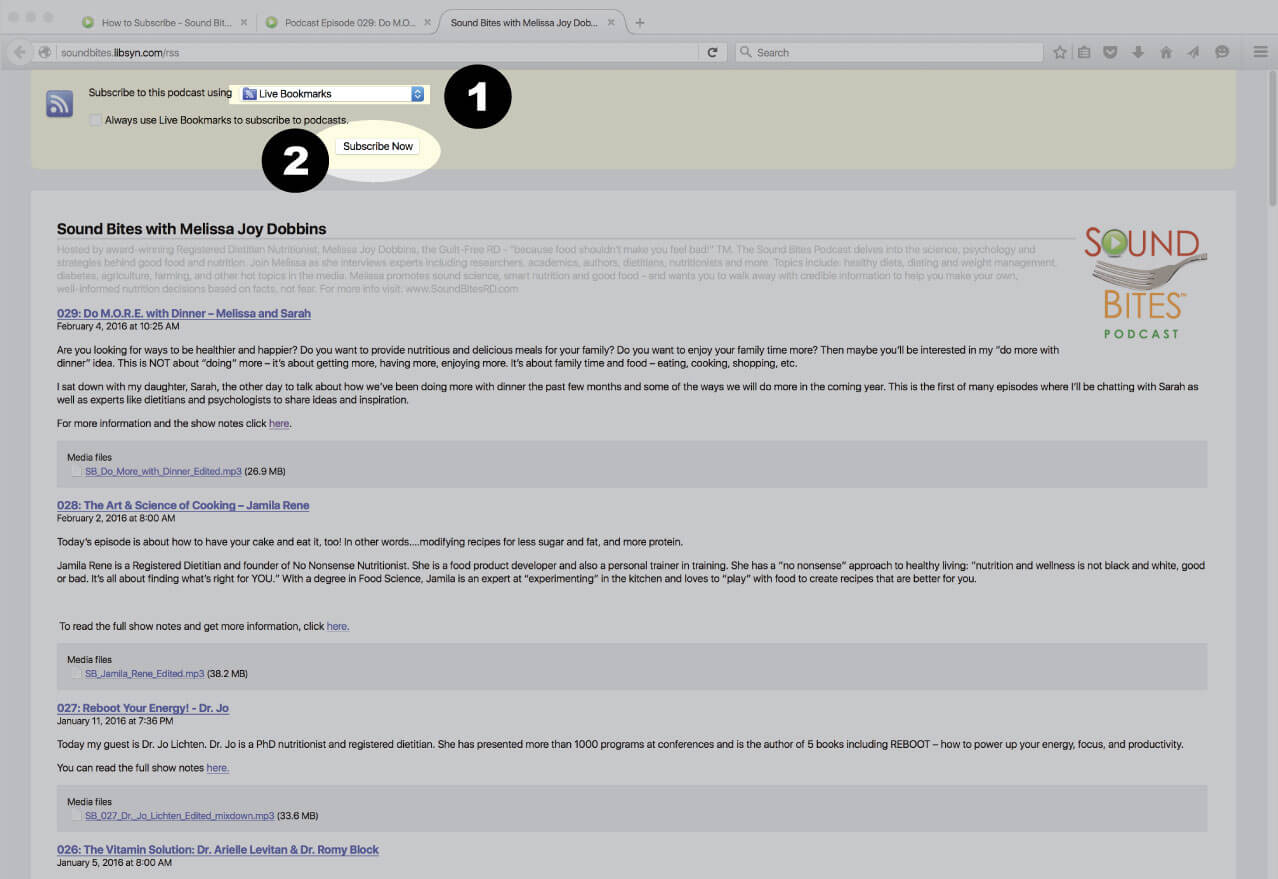
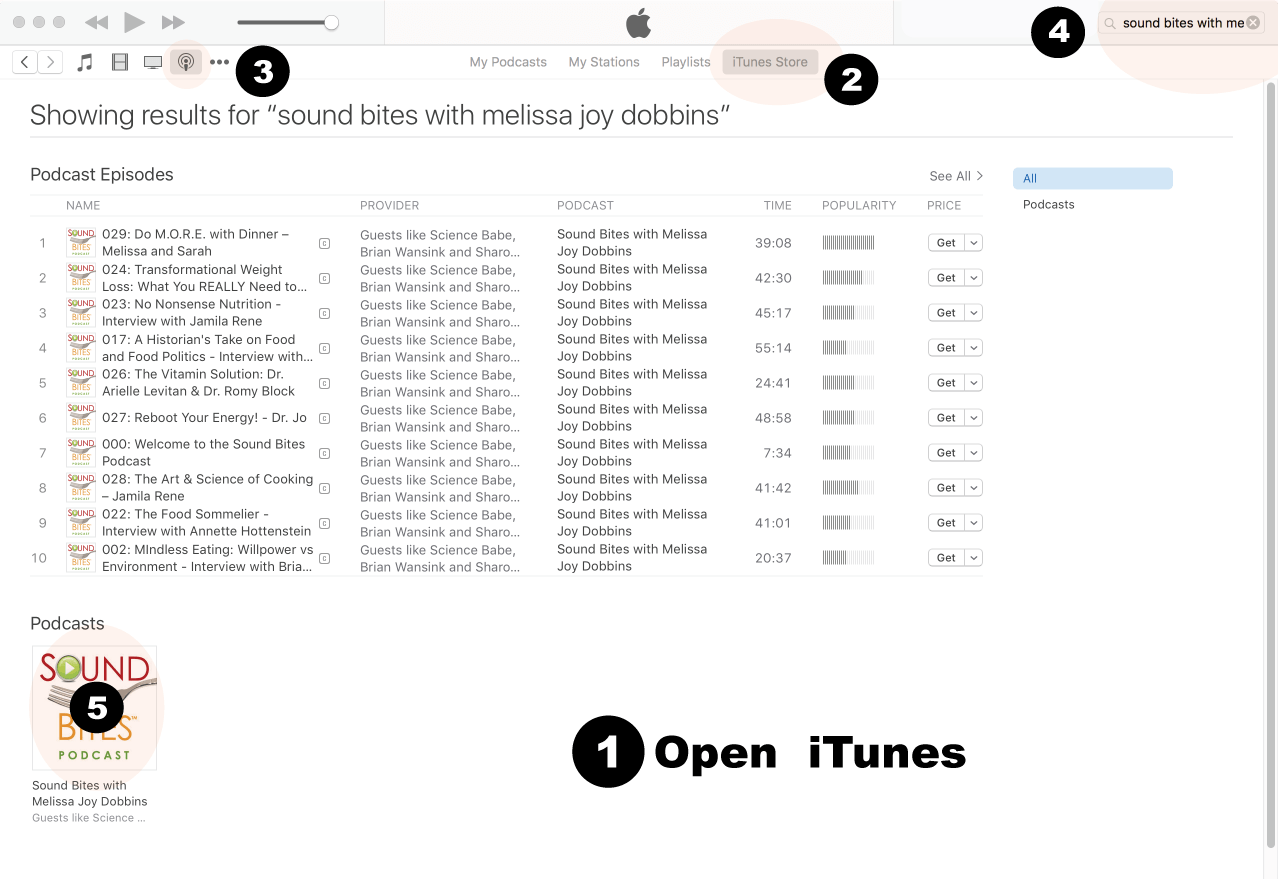
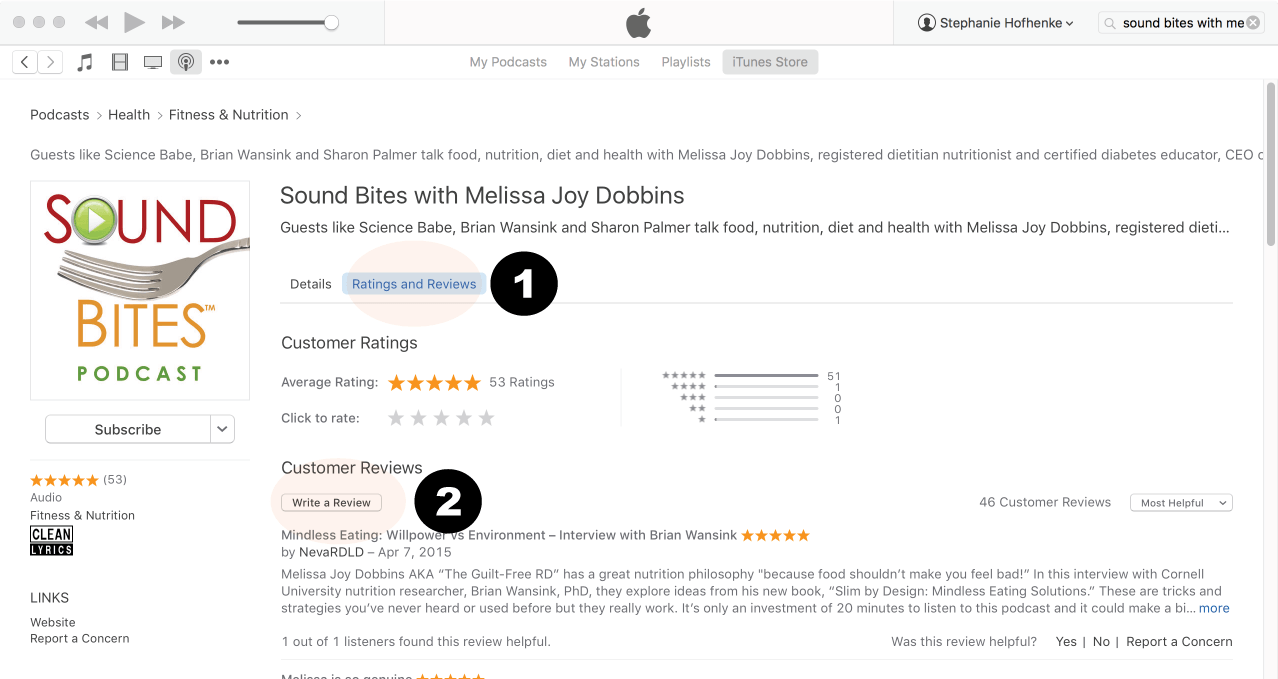
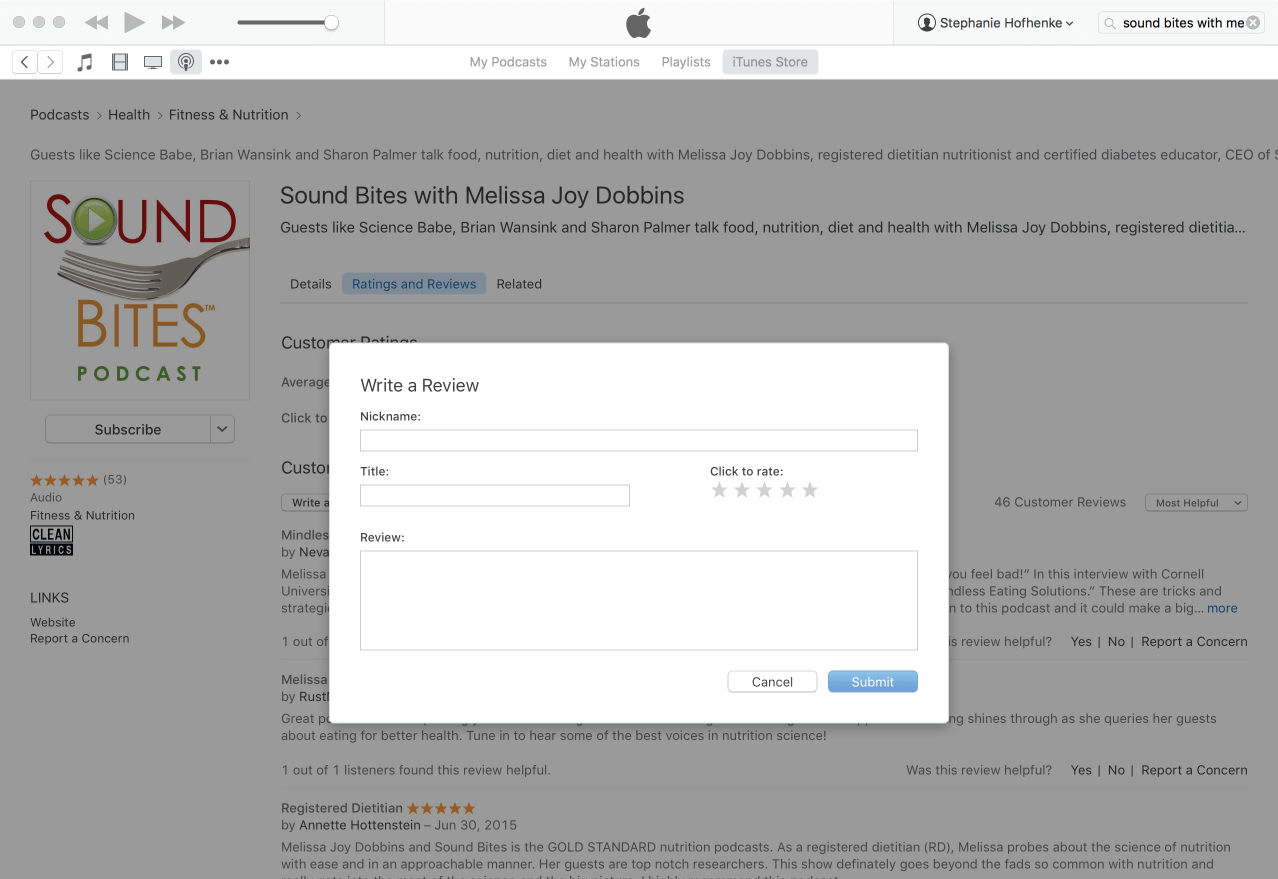
Listen to the trailer
Melissa’s Demo Reel







Great round-up of tips, Melissa! And, even after following all this advice, the answer may still be “no”. However…If at first you don’t succeed, try, try again!! 🙂 Thanks for including me!
Who knew there were so many RDs who work/used to work in PR? Wonderful group of tips, thank you!
Melissa, I love your analogy of calling the doctor with a tube-feeding change, since we’ve all been there! It can be intimidating, but it never, ever hurts to try pitching your ideas to the media.
Another idea is to search for an editor’s email address (usually found online), introduce yourself and offer to be a quick and credible nutrition resource if they ever need a little fact-checking or expert quote for a future story. That’s a very easy ‘in’ with editors who may not have any RDs ‘on call’ – this creates goodwill and shows that you’re willing to help them out when they need it (and bonus – more RDs are represented in the media).
Great tips! Thanks so much for putting this together!